Why OOH Works in an AI-Driven World
In just the past few years, AI has significantly changed the way content is created. Images, videos, articles, and even advertisements can now be produced at an extremely fast pace. While this helps brands save time and costs, it has also made the online media environment more saturated than ever.

Every day, internet users are exposed to hundreds of marketing messages. However, not all content is trustworthy, and not every message is able to capture attention. When AI can generate content within seconds, consumers naturally begin to question what is real and what is simply mass-produced content. In this context, Out-of-Home advertising (OOH) is becoming more noticeable again. Unlike online advertising, OOH exists in the physical world, where people can see it directly as they commute, work, or go about their daily activities.
Consumers Are Becoming More Cautious About Online Content
The rise of AI is also changing how consumers process information. In the past, online content was often seen as a fast and convenient source of information. Today, however, skepticism toward digital content is growing.
Several trends highlight this shift (Source: The Moment of Trust):
- 60% of users say they are more skeptical about the authenticity of online content than before.
- 90% of consumers want to know whether an image was generated by AI.
- 83% say that trustworthiness directly affects whether they interact with a brand.
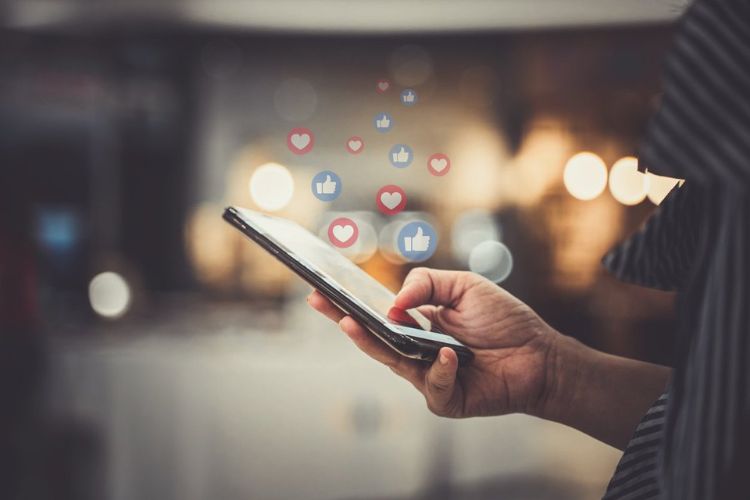
These numbers highlight a clear reality: trust is becoming an increasingly important factor in brand communication.
As online content becomes more crowded and harder to verify, real-world media touchpoints often feel more credible. This is one of the reasons many brands continue to maintain - or even increase - their investment in OOH advertising.
The Strength of OOH in Today’s Media Landscape
OOH advertising has a clear advantage: it exists in a physical environment where people can see it in their everyday lives. Large billboards, LED screens along busy roads, and advertisements in shopping malls or airports all help brands establish a visible presence in the real world.
Unlike online ads that can easily be skipped with a swipe or blocked by ad-blocking software, OOH naturally appears within people’s field of vision. This physical presence helps make brands feel more tangible to consumers. When a brand appears in prominent advertising locations across a city, people often perceive it as more established and serious about its investment.
Another advantage is that OOH faces less direct competition for attention compared to digital environments. On the internet, a single screen can display dozens of pieces of content at once. In contrast, a billboard or outdoor LED screen typically displays only a limited number of messages within each rotation. This gives advertisements a better chance to be noticed and remembered.
In many modern marketing campaigns, OOH also plays a strong supporting role for digital channels. When consumers encounter a brand multiple times across different touchpoints, from a billboard on the street to social media content, brand recognition and recall tend to increase significantly. The combination of OOH and digital helps brands build a stronger and more consistent presence in consumers’ minds.
What Should Brands Do in the Age of AI?
As AI continues to reshape how content is created and distributed, brands need to rethink how they build trust with consumers. When online content becomes increasingly dense and sometimes difficult to distinguish between real and artificial, real-world communication touchpoints gain even greater value.
OOH provides an opportunity for brands to appear directly in consumers’ daily environments. This not only increases brand visibility but also helps reinforce a sense of credibility.

Instead of treating OOH and digital as separate channels, many businesses today are integrating both within the same communication strategy. OOH helps build brand presence and trust, while digital channels support engagement and conversion.
Conclusion
As AI continues to transform how content is created and distributed, many brands are re-evaluating which communication channels can most effectively build their presence.
For businesses exploring outdoor advertising opportunities in Vietnam, Firstboard offers consultation and campaign implementation services tailored to different marketing objectives. When placed in the right locations and supported by clear messaging, outdoor advertising can help brands increase visibility and connect more effectively with consumers in the age of AI.
Picture credit: Tiepthigiadinh, Pace, Notegroup