OOH Advertising in Southeast Asia: How Brands Can Scale Visibility Across Borders
Southeast Asia is becoming one of the most exciting regions for Out-of-Home (OOH) advertising. With rapid urbanization, growing consumer mobility, expanding transportation infrastructure, and a highly connected population, OOH is evolving from traditional outdoor placements into a more dynamic, digital, and data-driven marketing channel.
For brands entering or expanding across Southeast Asia, OOH offers a powerful opportunity to build physical presence, increase brand recognition, and connect with consumers in high-attention environments.
However, regional expansion also brings challenges. Each market has different media landscapes, regulations, consumer behaviors, and operational requirements. Running an OOH campaign across multiple countries requires more than simply buying billboard space—it requires local knowledge, regional coordination, and consistent execution.
This article explores the changing OOH landscape in Southeast Asia and how brands can approach cross-border OOH campaigns effectively.
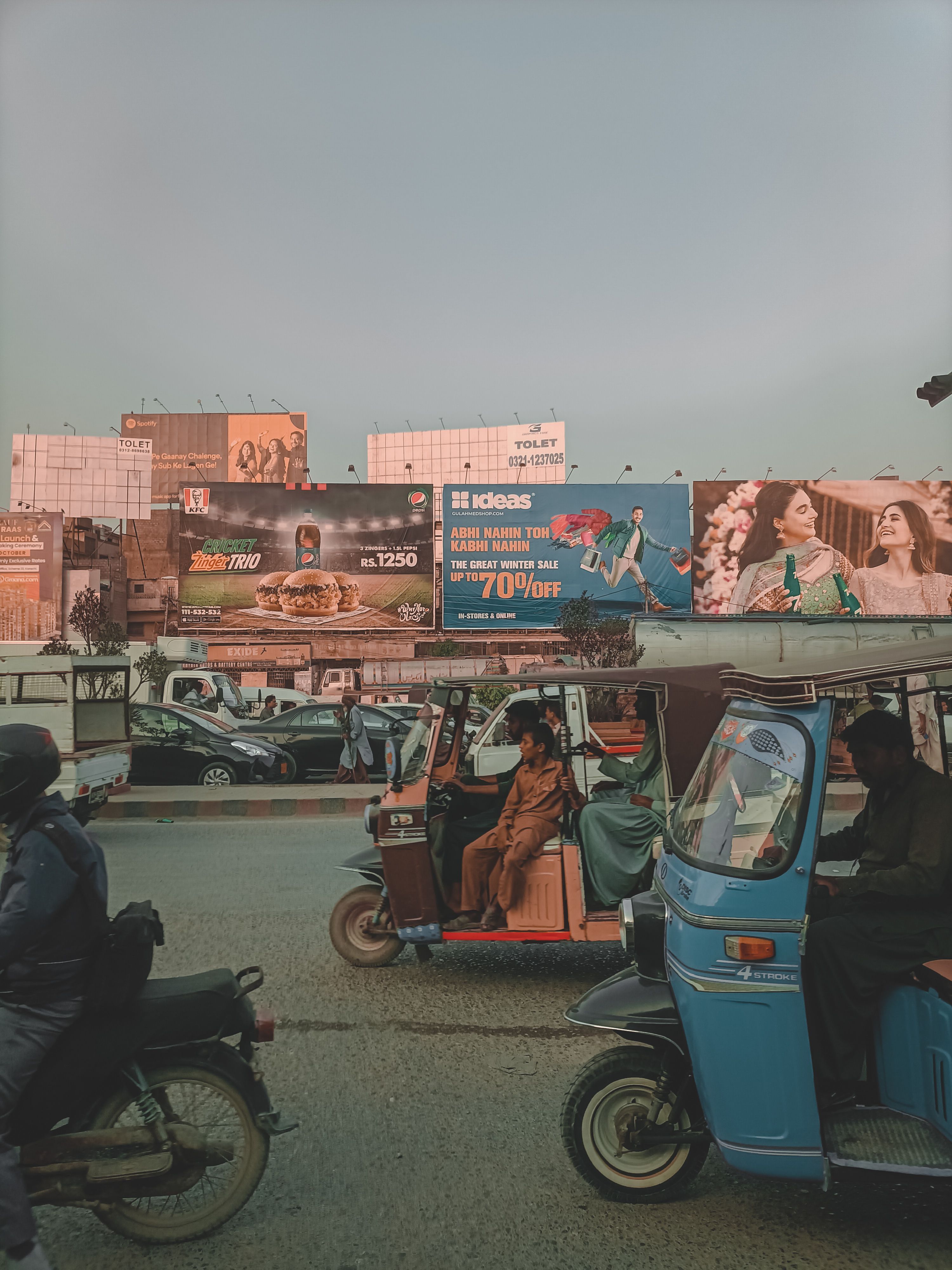
1. Why Southeast Asia Is a High-Potential OOH Market
OOH remains one of the most effective channels in Southeast Asia because it naturally fits the way people experience cities.
Millions of consumers spend significant time outside their homes every day—commuting, shopping, traveling, and exploring urban spaces. This creates valuable opportunities for brands to capture attention in moments when audiences are highly exposed to their surroundings.
Several factors are driving OOH growth across the region:
Rapid urbanization creates premium advertising environments
Major cities across Southeast Asia are continuously expanding their commercial infrastructure, including:
- Airports connecting international travelers
- Metro and transit systems serving millions of commuters
- Shopping malls becoming lifestyle destinations
- High-traffic roads and business districts
These locations provide brands with high visibility and strong opportunities to build market presence.
A mobile-first population creates stronger OOH engagement
Consumers in Southeast Asia are highly connected through smartphones. This changes the role of OOH from a one-way awareness channel into a bridge between physical and digital experiences.
A billboard today can encourage audiences to:
- Scan a QR code
- Visit a website
- Download an app
- Participate in a social campaign
- Discover a nearby store
The strongest OOH campaigns are no longer isolated from digital marketing—they are designed to work together.
2. The Evolution of OOH: From Visibility to Experience
Traditional OOH was primarily focused on reach: putting a message in front of as many people as possible.
Today, brands are looking for more:
Digital OOH (DOOH) enables flexibility and real-time communication
Digital screens allow advertisers to:
- Update creative faster
- Run multiple messages within one campaign
- Adapt content based on timing, location, or audience context
This flexibility helps brands create more relevant experiences instead of relying on one static message.
Interactive OOH creates deeper engagement
Consumers increasingly respond to campaigns that invite participation.
Examples include:
- QR-driven experiences
- Social media integration
- Interactive installations
- Location-based campaigns
OOH is becoming less about simply being seen and more about creating memorable brand moments.
3. Key OOH Trends Shaping Southeast Asia
The rise of Digital Out-of-Home (DOOH)
Across Southeast Asia, digital screens are expanding across airports, malls, transit hubs, and premium urban locations.
DOOH allows brands to improve:
- Creative flexibility
- Campaign speed
- Audience relevance
- Content personalization
As technology develops, more brands are combining DOOH with digital media strategies to create integrated campaigns.
Context-driven advertising
Location matters more than ever.
Brands are increasingly selecting placements based on consumer behavior and environment:
- Retail areas for driving purchase consideration
- Airports for reaching international travelers
- Business districts for premium audiences
- Transit hubs for mass awareness
Successful OOH planning is not just about finding a large screen—it is about finding the right moment and the right audience.
Stronger demand for measurement
Modern marketers want more than campaign photos.
They increasingly expect:
- Delivery reports
- Estimated reach and frequency
- Foot traffic insights
- Campaign performance analysis
- Market-level comparisons
Measurement is becoming a key factor in proving OOH effectiveness within broader marketing strategies.
4. The Challenge of Running Cross-Border OOH Campaigns
For regional marketers, expanding OOH across Southeast Asia can become complicated quickly.
Common challenges include:
Fragmented media ecosystems
Every market has different:
- Media owners
- Inventory availability
- Pricing structures
- Booking processes
Managing multiple suppliers can increase complexity and reduce efficiency.
Different operational requirements
Each country may have different requirements for:
- Creative specifications
- Production timelines
- Installation processes
- Advertising regulations
Inconsistent reporting
Without a unified approach, comparing campaign performance across markets can be difficult.
Brands need a partner that understands both regional strategy and local execution.
5. How Firstboard Southeast Asia Helps Brands Scale OOH Across Borders
Firstboard Southeast Asia supports brands and agencies in planning and executing OOH campaigns across multiple Southeast Asian markets.
Our role is to simplify cross-border complexity while ensuring campaigns remain locally relevant.
Regional planning with local market expertise
Instead of managing multiple conversations across different markets, brands can work through one coordinated approach.
We support:
- Market recommendations based on campaign objectives
- Format selection across different environments
- Location strategy for maximum impact
Access to diverse OOH inventory
From iconic billboards to premium digital screens, Firstboard helps brands identify opportunities across:
- Airports
- Transit hubs
- Shopping malls
- Highways
- Urban landmarks
- Digital networks
Our local market understanding helps brands choose placements that align with audience behavior.
Coordinated execution across markets
Successful regional campaigns require consistency.
Firstboard supports:
- Campaign scheduling
- Production coordination
- Placement verification
- Market-level communication
This allows regional teams to launch campaigns more efficiently.
Unified reporting and optimization
A regional campaign needs a regional view.
We help brands organize:
- Campaign updates
- Market performance summaries
- Execution documentation
- Optimization recommendations
This enables marketers to understand what works and scale successful strategies.
Conclusion: Building Regional Presence Through OOH
Southeast Asia represents a major opportunity for brands looking to build visibility and connect with consumers at scale.
As OOH continues evolving through digital innovation, interactive experiences, and stronger measurement capabilities, brands can no longer approach outdoor advertising as a simple media purchase.
Successful regional OOH campaigns require three things:
Local understanding. Regional coordination. Consistent execution.
With Firstboard, brands and agencies can simplify cross-border OOH planning and create campaigns that resonate locally while building impact across the region.