What Outdoor Ad Services Include Location Targeting in Urban Areas?
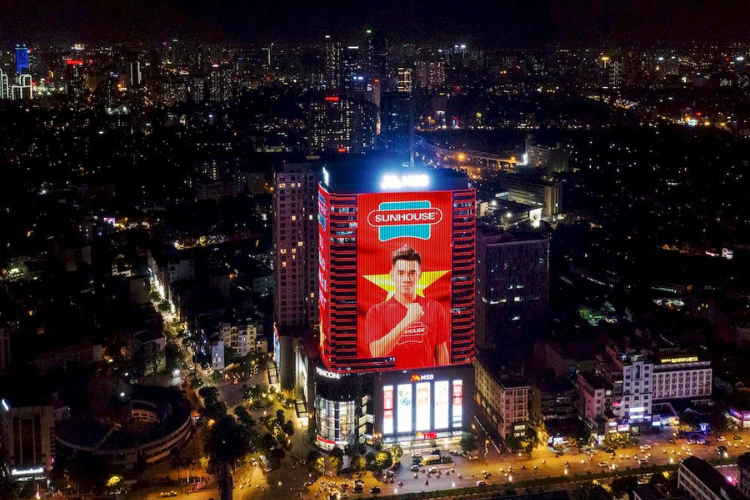
Location is key in outdoor advertising. In Vietnam’s busy cities, the right billboard placement can define campaign success and keep your brand visible daily. Strong location targeting ensures your message reaches the right audience at the right time.
The Importance of Location Targeting in OOH
Effective outdoor campaigns are built on smart geography. Urban consumers encounter OOH constantly throughout their daily routines, but the true impact of a campaign depends less on how many screens it uses and more on where those screens are placed. Strategic positioning ensures that ads appear in zones where attention is naturally higher, near office corridors, shopping districts, university clusters, residential neighborhoods, or major intersections where traffic slows and dwell time increases. When placement aligns with real human movement, OOH stops being background scenery and becomes part of the daily urban experience.
Location-based planning also helps advertisers align messaging with lifestyle and behavioral patterns. Tech-oriented or financial campaigns tend to perform best around business hubs where the audience is already in a decision-making mindset. FMCG, F&B, and retail-oriented ads gain stronger traction when positioned near supermarkets, convenience store corridors, community gateways, or transit routes where people frequently make quick, need-based choices. In Vietnam’s dense cities, these micro-environments shape how people think, move, and respond, making context just as important as creativity.
Beyond demographics, location targeting enhances emotional and situational relevance. A message seen during a morning commute carries a different weight than the same message viewed in a late-night entertainment area. A billboard near a school reaches parents in a planning mindset, while one near a mall catches shoppers already primed to spend. By meeting people in the right moment and the right environment, OOH achieves a natural coherence that makes campaigns feel intentional rather than accidental.
In essence, the power of OOH lies not only in visibility but in situated visibility, appearing where attention is focused, where decisions are made, and where brand messages can integrate seamlessly into the rhythm of urban life.
In outdoor advertising, success isn’t about reaching everyone — it’s about reaching the right people, in the right place, at the right time.
How Smart Location Targeting Elevates OOH Performance in Vietnam
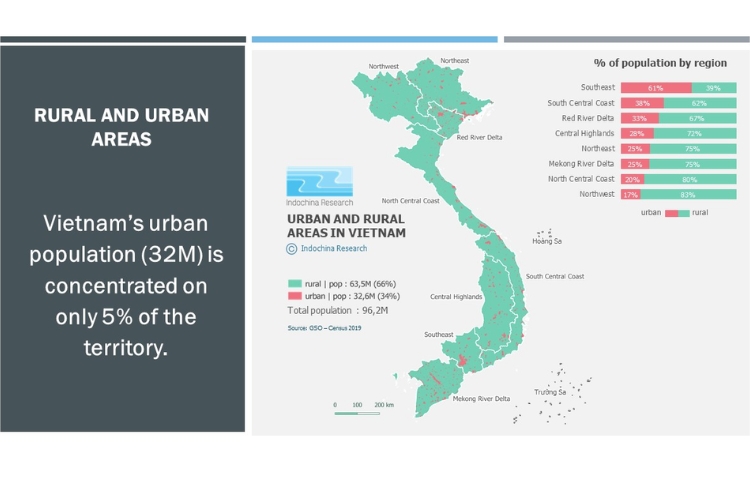
Urban movement in Vietnam is not random but follows predictable, measurable behavioral patterns shaped by commuting habits, district functions, and neighborhood identities. As cities become denser and mobility becomes more data-visible, the most effective OOH campaigns are those that align with real-world human flow, not assumptions. Modern OOH agencies now combine traffic analytics, demographic insights, and proximity-based planning to make location work harder, turning every placement into a strategically engineered moment of impact.
Traffic Flow Analytics
Traffic flow analytics helps agencies understand not only where people are moving, but when they move and why. By integrating GPS data, motorbike density patterns, and city mobility reports, agencies can identify corridors where traffic naturally slows — creating long dwell times ideal for message retention.
Brands that leverage traffic analytics don’t rely on guesswork. They choose screens and placements with the highest likelihood of repeated exposure, ensuring that the same commuter sees their message multiple times throughout a typical week. This consistency is what transforms OOH from a one-time impression into a long-term presence.
Demographic Mapping
Location targeting becomes significantly more effective when combined with demographic insight. By analyzing geo-data, agencies can align billboard placements with the audiences who naturally dominate those areas — students near university clusters, young professionals around office towers, families in residential neighborhoods, or tourists moving through major cultural and commercial spots.
In Vietnam, where each district has its own identity and lifestyle pattern, demographic mapping ensures brands appear in places that match the mindset and daily habits of their intended audience. A district with high digital adoption may be ideal for tech-forward messaging, while areas with active street life and dense local communities lend themselves well to everyday consumer products. When brands show up in environments that reflect how their audience actually lives, the campaign feels more intuitive and culturally in tune.
This approach doesn’t just improve targeting — it shapes perception. Ads placed in premium districts naturally signal quality and aspiration, while those in bustling working-class areas communicate practicality and relevance. The same creative can evoke different meanings depending on the social context of the location. By mapping demographic nuances and neighborhood character, brands can ensure their OOH presence feels organically integrated into the city rather than randomly inserted, strengthening both connection and recall.
Proximity Targeting
Proximity targeting transforms OOH from a broad awareness tool into a medium that directly shapes consumer movement. By positioning ads within a close walking or driving radius of a destination — typically 300 to 800 meters — brands place themselves in front of people at the exact moment they are deciding where to go next. These are high-intent moments, when attention sharpens and small cues can meaningfully influence choices.
In Vietnam’s dense urban environment, where daily routes are compact and convenience strongly guides behavior, proximity plays an even greater role. When a billboard or LED screen appears just before an intersection, a turn, or a cluster of commercial activity, it naturally inserts itself into the decision-making flow. People notice what is immediately relevant to where they are headed, and a well-positioned message can effortlessly redirect or reinforce their next move.
By integrating these data-driven methods, Vietnam’s top OOH agencies transform location targeting into a measurable performance advantage.
Why Location Targeting Works Best in Urban Vietnam
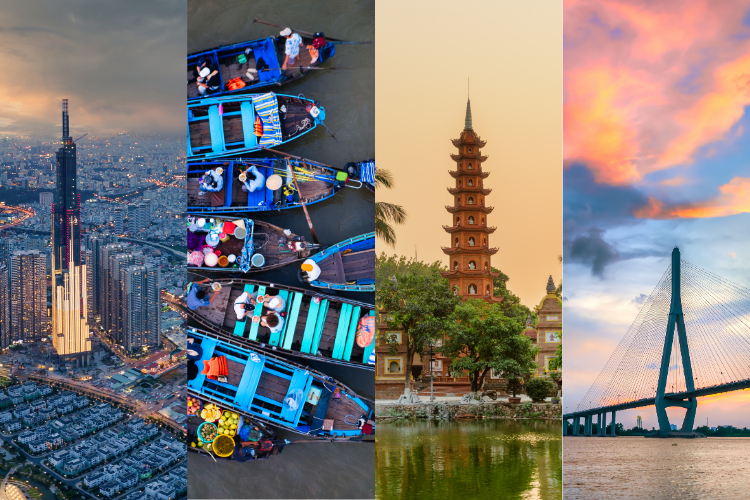
Vietnam’s major cities—Ho Chi Minh City, Hanoi, Da Nang, and Can Tho—each follow their own rhythm. People don’t just move from point A to B; they move through predictable behavioral patterns: morning coffee runs, evening commutes, university clusters, shopping districts, weekend hangouts. A localized OOH strategy taps directly into these rhythms, turning everyday movement into meaningful brand moments.
In cities defined by movement, relevance belongs to the brands that appear exactly where life happens.
Ho Chi Minh City: Visibility in Motion
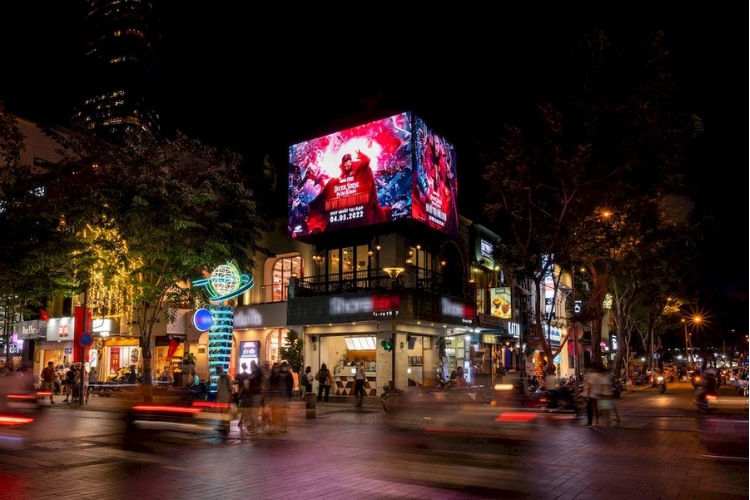
Ho Chi Minh City is a landscape of constant transition, and nowhere is this more visible than around Nguyễn Huệ Pedestrian Street, one of the city’s most iconic public spaces. Every day, the area pulses with movement: morning office workers heading toward the financial district, tourists exploring downtown landmarks, families strolling in the evenings, and young people gathering for cafés, dining, and weekend activities. These flows aren’t random; they are deeply ingrained behavioral cycles that repeat day after day.
A billboard overlooking Nguyen Hue doesn’t simply face traffic, and it becomes embedded in the emotional heart of the city. People passing through this corridor are often in a heightened state of awareness: they’re navigating a crowded plaza, waiting at intersections, taking photos, or slowing down to observe their surroundings. In these moments, attention naturally widens, making them more receptive to standout visuals and bold brand messages.
What makes Nguyễn Huệ especially powerful is its multi-purpose audience flow. Office workers from nearby towers see the same placement during their daily commute. Tourists encounter it while exploring the boulevard, often taking photos that inadvertently include the billboard, extending brand visibility onto social platforms. Young people returning at night for food, music, and cafés see it again under vibrant lighting, when dwell time is at its highest. Each audience experiences the screen in a different context, but all repeatedly intersect with it across the week.
Hanoi: Repetition, Routine, and Urban Density
Hanoi operates with a different urban tempo, more concentrated, more structured, and more routine-driven. Its movement patterns rely on a network of dense corridors where traffic compresses into long, steady flows throughout the day. Areas like Cau Giay, Tran Duy Hung, etc. form continuous channels where students, office workers, and cross-district commuters repeatedly intersect.
In this environment, an LED tower in Cau Giay does far more than deliver surface-level exposure. It becomes intertwined with audience routines. People pass the same point every morning as they head to work or university, again during midday activity peaks, and once more during the evening slowdown when commuter fatigue increases visual dwell time. Instead of one-off interactions, the screen accumulates layered visibility, showing different moments and different mindsets, but the same brand presence anchoring each one.
This repetitive exposure environment is ideal for building mental availability, one of the strongest predictors of brand choice. Hanoi’s residents tend to follow consistent daily routes, often taking the same road at nearly the same hour. When a DOOH screen appears along such paths, the message becomes part of a routine that reinforces itself naturally. The repetition is not forced; it feels like a familiar companion in the everyday movement of the city.
Urban density further amplifies this effect. Hanoi’s major arteries compress people together, buses, motorbikes, office commuters, and students all slowing down at similar choke points, creating long dwell times and extended visibility windows. During peak congestion, when movement slows significantly, screens become even more impactful. Their presence shifts from passive to immersive, occupying the visual field in a way that digital ads on personal devices cannot replicate.
In a city that is defined by regularity, rhythm, and habit, brands don't just show up; they build up. They develop memorability by deliberate congruence with people's daily routines, recognition through consistency, and relevance through repetition.
Planning your next OOH campaign? Firstboard Vietnam provides curated billboard and LED locations with visuals, specs, and behavioral insights to help you pick the right placements.
Credit: Untitled Project, Unique Vietnam