OOH or DOOH: Which is more effective for outdoor advertising today?
Advertising outside has long been an essential part of communication for Vietnamese brands. Nevertheless, the outdoor advertising market is not only limited to the ordinary billboards or static boards anymore, as the rate of urbanization, along with the rapid development of display technology, has led to this scenario. LED screens in the form of DOOH have gained immense popularity in large cities, changing the face of brand interaction with consumers.
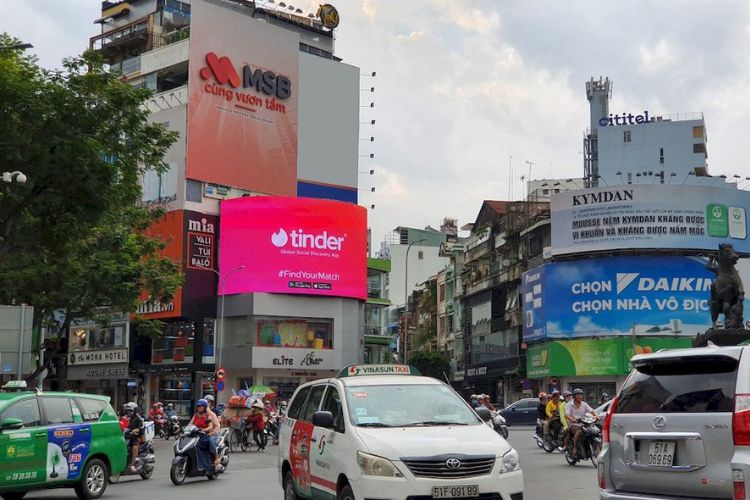
With this digital shift, a big question pops up for brands: Is it time to go all-in on flashy digital screens, or do the classic billboards still hold their ground? Let’s break it down together, in simple terms, to figure out when each format shines and how to choose the right one for your campaign.
Understanding OOH and DOOH in outdoor advertising
First, let's clear up the basics. You've probably heard both terms tossed around, but what do they really mean?
OOH (Out-of-Home Advertising) is the classic, traditional form. Think of the large printed billboards along the highway, the elegant panels on building facades, the unipoles at busy intersections, or even the ads at bus stops. Their charm is in their constancy: a single, static visual that's always on, 24/7, giving one brand the undivided attention of that space.
DOOH (Digital Out-of-Home Advertising) is the modern evolution. This primarily means those large LED screens, but also includes digital signage and LCD displays. Their superpower is movement and flexibility. They can show videos, animations, and cycle through multiple messages. It’s outdoor advertising that can keep pace with the rhythm of our digital lives.
From Traditional OOH to Digital DOOH
The rise of DOOH doesn't mean traditional billboards are packing up. It's more like the advertising landscape is expanding to offer more tools. As our cities get smarter and our eyes get more accustomed to screens, DOOH meets the need for instant, adaptable messaging.
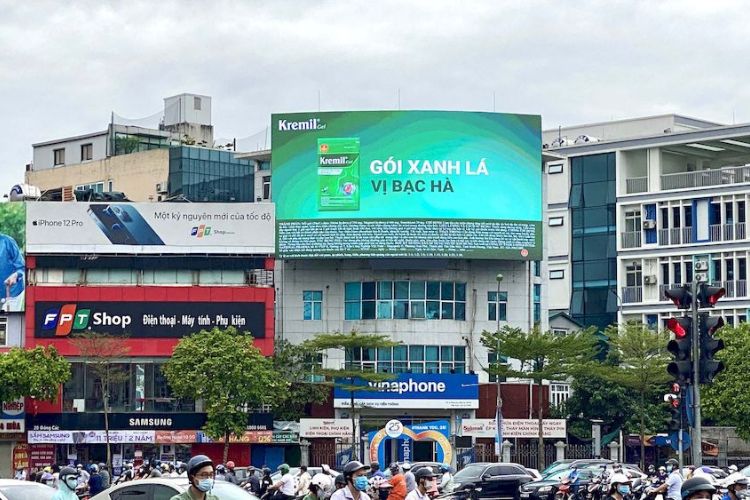
Meanwhile, traditional OOH remains that trusted, unwavering anchor in the urban environment. It builds deep, long-term familiarity. Together, they create a more complete picture—one where steady presence and dynamic storytelling can coexist and complement each other.
When should brands choose OOH?
OOH becomes an ideal option in situations where the objective of the brand is to create awareness and get mass coverage over a larger period of time. The kind of campaigns where a consistent appearance in terms of visuals and messages is required are found to create a better influence in the case of billboards. Moreover, in the case of main roads, OOH has a distinct edge in terms of visibility over a longer distance.
Nevertheless, one disadvantage of OOH advertising is that it is not as flexible. When the advertisement has been printed out physically, it is not easy to make any amendments or changes for that matter, as this would mean spending extra time and resources. As such, OOH advertisements are most suited for messages that will not keep changing.
When is DOOH the better option?
DOOH emerges as the preferred medium when the campaign requires adaptability and quick changes to the content. For instance, the use of LED technology in DOOH enables the brand to adjust the content according to the time, context, or communication objective without the need to replace the physical content. As such, DOOH would be suitable for advertising activities in the form of product launch events, time-bound promotions, and activities intended to create significant visual engagement.

However, DOOH advertising also has some trade-offs. The advertising content is shown in rotation to other advertisers, implying that each marketer gets to use only a fraction of screen time. Moreover, this type of advertising is likely to be more expensive because of technological, electricity, and screen-related processes involved in DOOH advertising, which might prove to be expensive in comparison to other advertising types.
OOH and DOOH: Choosing based on campaign objectives
No out-of-home format is intrinsically superior to another in practice. The choice between OOH and DOOH is about a campaign objective, time length, budget, and how one desires the brand to engage with the audience. Understanding the strengths and weaknesses of both allows businesses to make informed choices, not follow technology trends without a strategy.
While outdoor advertising continues to diversify in both formats and technologies, the right mix of OOH and DOOH helps brands not only increase visibility but appear in the right place, at the right time, with the right message. The effective outdoor strategy isn't about chasing the trends but rather leveraging each format strategically to drive long-term brand value.
If you are still unsure whether OOH or DOOH is the right choice for your campaign, share your communication goals, budget, and timeline with us. Firstboard will work with you to develop a comprehensive outdoor advertising solution, helping your brand select the right format, the right locations, and maximize return on investment.
Picture credit: Wewin, Advertising Vietnam