How long should OOH advertising run for best results?
Outdoor advertising (OOH) has long been associated with a familiar belief: it needs to run long enough for people to remember it. But what does “long enough” really mean? One month, three months, or even longer? And if an OOH campaign runs for a short period of time, is that a smart strategy, or simply money wasted on the street?
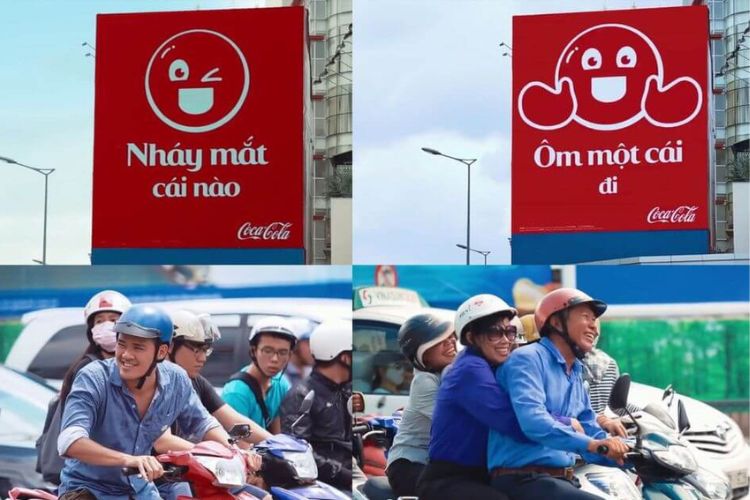
This is not a new question. Many brands in Vietnam, from startups trying OOH for the first time to well-known brands that regularly appear on billboards, have asked the same thing. In reality, there is no fixed number that works for every campaign. However, there are clear principles that can help brands determine the optimal duration for outdoor advertising - if the goal is real effectiveness, not just visibility.
Let’s explore with Firstboard what a reasonable timeframe looks like for OOH to truly deliver results.
How Is OOH different from digital advertising?
To answer the question of duration, we first need to understand the nature of OOH.
Unlike digital advertising - where performance is measured by clicks, views, or immediate conversions - OOH does not require instant action. It works through repeated passive exposure and visual memory over time.
A commuter sees the same billboard every morning on the way to work. Someone stuck in traffic at a red light is exposed to the same message day after day. No action is required, but with each repetition, the brand gradually becomes familiar and mentally “present.”
Because of this mechanism, OOH rarely delivers instant results. Instead, it is especially effective at:
- Increasing brand awareness
- Building familiarity
- Creating trust that supports other media channels
That is also why running OOH for too short a time may not create enough memory, while running it for too long can cause people to ignore it.
So, how long should outdoor advertising run?
In the Vietnamese market today, OOH campaigns usually fall into three common timeframes.
At a minimum, a campaign needs about four weeks to ensure sufficient exposure. The most common and safest duration is 1-3 months, especially for brand launches or awareness campaigns. For long-term branding efforts, OOH can run for 3-6 months or follow seasonal cycles.
There is a reason why 1-3 months is widely chosen. It is long enough for repeated exposure and measurement, but not long enough to cause boredom - if executed properly.
And that “if” is the key point.
When OOH starts to backfire?
In advertising, this phenomenon is known as creative fatigue.
Creative fatigue happens when the same ad appears repeatedly over a long period, while the content is no longer new or relevant. People still “see” the ad, but they no longer truly notice it.
The signs are clear. People pass the same location every day but cannot recall the message. The brand looks familiar, but it triggers no emotion. The campaign keeps running, the cost stays the same, but performance stops improving.
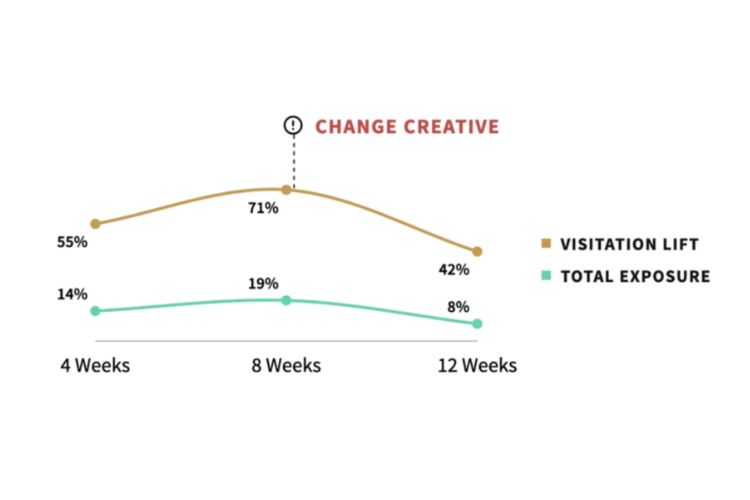
If we imagine advertising effectiveness over time, the curve usually rises quickly at first due to novelty, then stabilizes, and eventually declines - even though the ad is still visible. This decline does not mean OOH is ineffective. It means the creative is no longer stimulating the viewer’s brain.
Why do many brands still succeed with just 1-3 months of OOH?
In practice, many OOH campaigns last only 4–8 weeks and still generate strong impact. The difference is not the duration-it is how the campaign is executed.
First, successful brands do not rely on a single creative. Instead of keeping one visual for months, they prepare two or three creative versions and rotate them by time or location. Sometimes, simply changing colors, key visuals, or headlines is enough for the brain to process the ad as something new.
Second, the content is designed for movement. OOH is not meant to be read carefully. Viewers usually have only 3–5 seconds. Clear visuals, short messages, and strong contrast significantly improve recall.
Finally, timing matters as much as location. A one-month campaign at the right moment can outperform a three-month campaign run without focus. F&B performs best during rush hours or hot seasons. Retail peaks before Lunar New Year. Real estate aligns with sales launches. When short duration meets the right context, effectiveness is amplified.
How can brands find the right duration for OOH?
There is no universal formula, but there is a right method.
Today, OOH is no longer a “put it up and hope” channel. Modern OOH platforms allow brands to test different messages across locations, compare performance by area, and track the behavior of people exposed to ads.
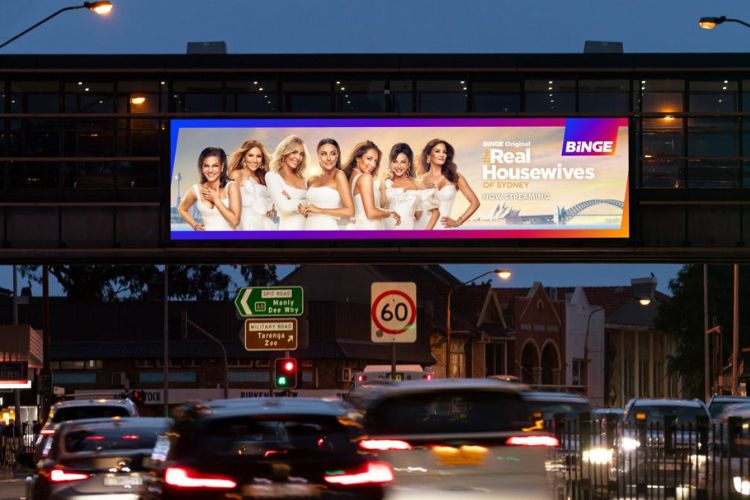
Using anonymized mobile movement data, brands can understand who has seen the ad and whether they later searched for the brand, visited a store, or interacted online. This helps identify when performance starts to slow down, when to refresh creatives, and whether to extend or end a campaign.
How should OOH effectiveness be measured?
OOH should not be evaluated by subjective impressions like “it looks nice.” Key indicators include brand search volume, website traffic by location, store visits, and social media engagement during the campaign period.
More importantly, results should be compared before, during, and after the campaign, and between areas with OOH exposure and those without. In most cases, OOH does not work alone but amplifies the effectiveness of other media channels.
So, how long should OOH run?
The short answer: not too short to be forgotten, not too long to become boring - long enough to build memory and flexible enough to refresh.
In today’s Vietnamese market, 1–3 months remains a reasonable duration for an effective OOH campaign, provided the brand has a clear creative strategy, a plan to monitor and adjust, and a clear understanding of its objectives.
OOH is not a competition to see who keeps a billboard up the longest. It is a game of timing, messaging, and just-enough repetition.
If your brand is considering OOH but is still unsure about the right duration, when to refresh creatives, or which locations truly drive impact, Firstboard does more than provide ad placements. We partner with brands from strategy and data to real performance measurement. Contact Firstboard for consultation.
Picture credit: oohmedia, 160m2, Unique Out Of Home Advertising