5 DOOH Advertising Mistakes Brands Still Make in 2026
In recent years, DOOH (Digital Out-of-Home) has grown faster than many people expected. Digital screens are now everywhere: shopping malls, airports, elevators, bus stations, and even convenience stores. Because of this rapid expansion, many brands assume that simply placing an ad on these screens is enough to attract customers.
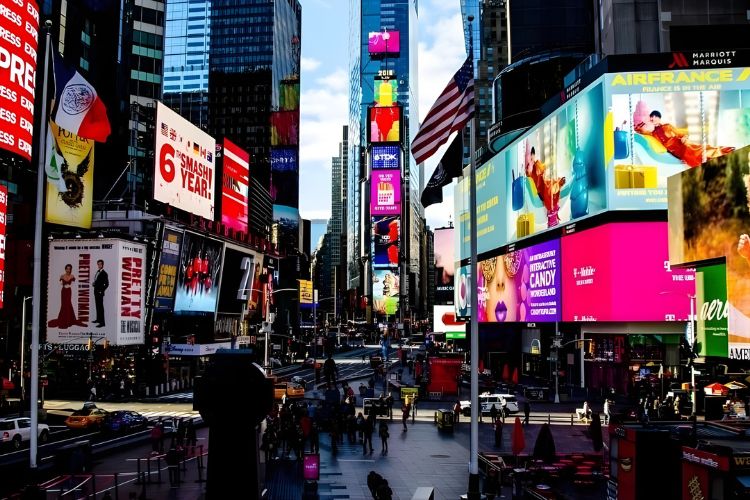
In reality, it’s not that simple. Many DOOH campaigns still fail to deliver the results brands expect. The issue is not that the channel itself is ineffective, but rather that many brands are still approaching it with an outdated mindset. Below are five common DOOH mistakes that brands continue to make in 2026, along with why they affect campaign performance and how they can be addressed.
1. Treating DOOH Like Traditional OOH with a “Set It and Forget It” Mindset
One of the most common mistakes is treating DOOH the same way brands used to run traditional out-of-home advertising. Many campaigns still follow the familiar process: choose a location, design the creative, place the advertisement on the screen, and let the campaign run continuously for several weeks without any adjustments.
This approach was once common with static billboards. However, DOOH offers very different advantages. Digital screens allow advertisers to update content quickly, run multiple creative versions at the same location, and even adjust messaging based on different times of the day. When brands fail to use these capabilities, their DOOH campaigns essentially function like traditional billboards, even though the costs may be higher.
As a result, the advertisement can quickly become visually familiar after just a few days. People who pass by the same location every day may start ignoring the message if nothing changes. In a world where audiences are exposed to thousands of ads daily, repetitive content can quickly lose its ability to capture attention.
To address this issue, DOOH campaigns should be designed with flexibility in mind from the beginning. Content can evolve across different phases of the campaign, change according to time of day, or vary depending on location. Even small adjustments in messaging or visuals can help maintain audience attention.
2. Choosing Ad Locations Based on Assumptions or Outdated Data
Another common mistake is selecting advertising locations based on assumptions. Many decisions are made simply because a location “seems busy,” “is in the city center,” or “is well-known.”
However, high traffic does not always mean the right audience. A location with heavy traffic flow may not necessarily align with the campaign’s objectives. For example, a billboard placed at a major intersection may have a large number of vehicles passing by, but most viewers only glance at it for a few seconds and may not fully absorb the advertising message.
In addition, some brands still rely on traffic data from older studies. Meanwhile, mobility patterns in major cities across Vietnam change rapidly. New residential areas, new roads, and new commercial developments can significantly alter traffic patterns within just a few years.
When locations are chosen without accurate insights, advertising budgets may end up being spent in areas that do not generate meaningful value. This makes it harder for campaigns to reach the right audience effectively.
A more effective approach is to rely on real data about traffic volume and audience characteristics at each location. Understanding who frequently passes through an area and when they are most present can help align DOOH campaigns more closely with communication objectives.
3. Not Knowing Exactly Who Is Viewing the Ads
Another issue that often arises in DOOH campaigns is the lack of clarity about the actual audience seeing the advertisement. Brands may know that the screen is located in a shopping mall, office building, or busy traffic area, but they may not know which group of people makes up the majority of the audience there.
In reality, a single location can contain several different audience segments. For example, areas near office buildings may include office workers, ride-hailing drivers, tourists, and delivery personnel. Each of these groups has different consumption habits and varying levels of interest in advertising.

Without a clear understanding of the audience, advertising messages can become too general. The content may fail to feel relevant enough to capture attention, which directly affects brand recall.
In 2026, when digital advertising channels allow for highly precise targeting, running DOOH campaigns without understanding the audience can make the channel less competitive compared to other media platforms.
The solution is to clearly define the target audience before choosing locations and developing creative content. When brands understand who is passing by a screen each day, they can adjust messaging and visuals to better match the audience’s context.
4. Not Understanding When Engagement Is Highest
Not every moment of the day offers the same level of audience attention. However, many DOOH campaigns still display the same content at the same frequency throughout the entire day.
This can result in ads appearing frequently at times when viewers are less likely to pay attention. For example, during the morning rush hour, many people are focused on getting to work quickly and may not notice surrounding screens. In contrast, during the evening or when traffic slows down, people may have more time to observe their surroundings and are more likely to notice advertisements.
Without understanding when engagement is highest, advertising budgets may be distributed inefficiently. Ads may appear frequently but fail to generate meaningful attention.
One of the key advantages of DOOH is the ability to change content based on different times of the day. This allows brands to adjust messaging according to the viewer’s context. For example, one message can be displayed during morning rush hours and another in the evening, or the creative can vary between weekdays and weekends.
Analyzing when audience traffic and attention are highest and adjusting content accordingly can help brands make better use of DOOH’s capabilities.
5. Running Campaigns Without Real-Time Optimization
Another common mistake is evaluating campaign performance only after the campaign has ended. In many cases, advertisements are placed on screens and run for the entire scheduled period without any adjustments.
This approach prevents brands from improving performance while the campaign is still active. If a particular creative does not attract attention, continuing to run it for several weeks can reduce the overall effectiveness of the campaign.
In today’s fast-moving media environment, the ability to adapt quickly is a major advantage. DOOH allows advertisers to change content, adjust display schedules, and test different creative versions in real time. Campaigns that take advantage of this flexibility are often better able to respond to audience behavior.
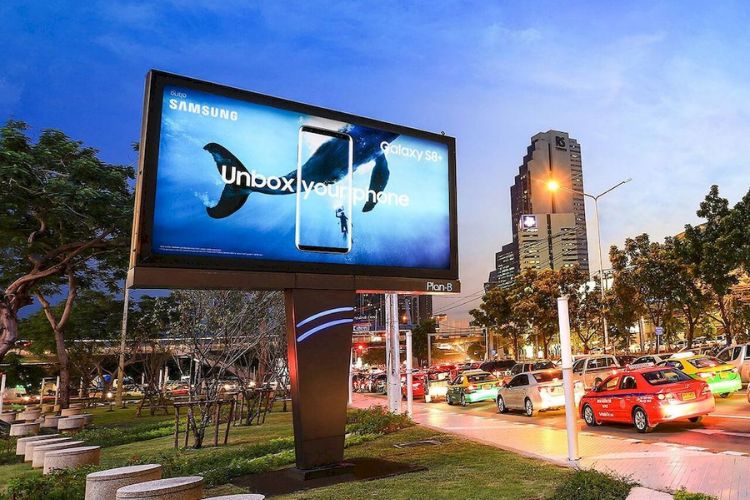
Instead of waiting until the campaign ends, regularly monitoring data and adjusting content when necessary can help maintain campaign performance throughout the entire duration.
Conclusion
DOOH is opening new opportunities for out-of-home advertising, but its effectiveness depends largely on how brands approach campaign execution. By avoiding mistakes such as choosing locations based on assumptions, failing to understand the audience, or not taking advantage of DOOH’s flexibility, brands can turn this channel into a powerful tool for reaching the right people at the right moment.
For businesses considering outdoor advertising, especially DOOH, building strategies based on audience data and behavior can help campaigns achieve more sustainable results. Firstboard is ready to support brands in selecting the right locations, developing effective creative content, and executing flexible DOOH campaigns so that advertisements appear not just more frequently, but in the right place and at the right time.
Picture credit: Brands Vietnam, Advertising Vietnam, Brands Vietnam (Grab)