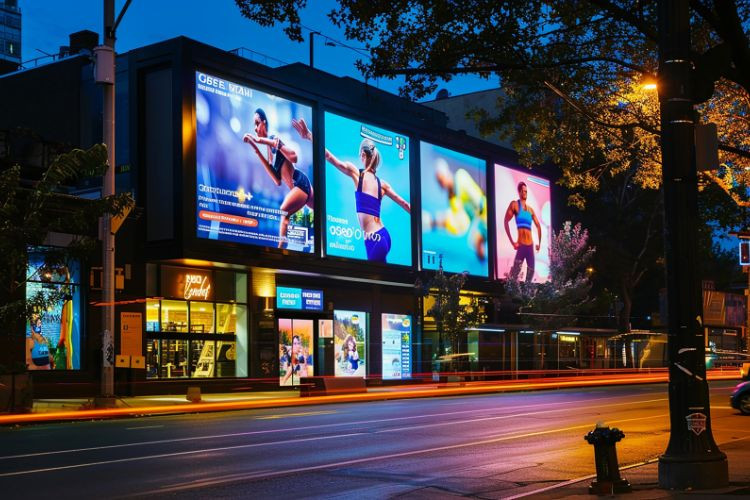
Benefits of OOH Advertising for Large-Scale Brand Promotion
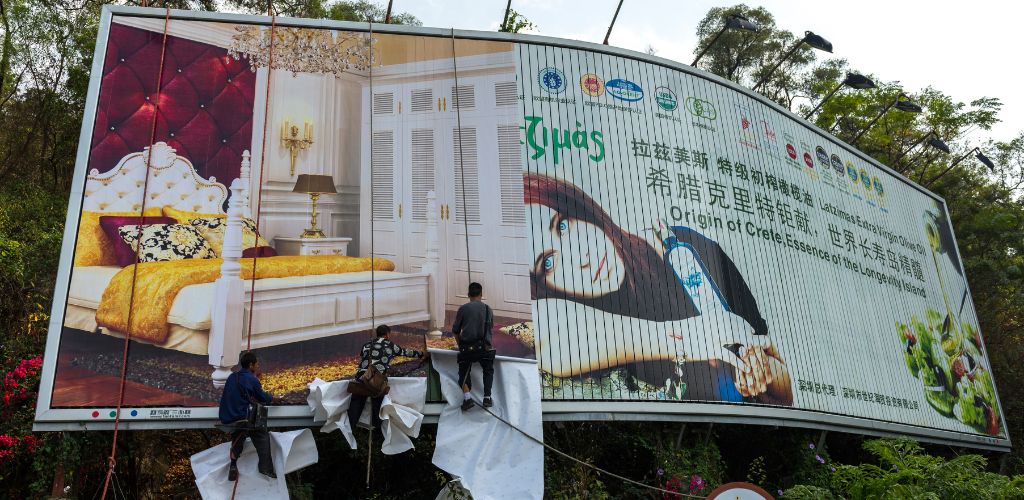
You're not the only one who is running a big brand campaign and wondering why your online ads aren't getting any clicks. I've seen well-known brands in Malaysia spend a lot of money on digital channels, but they still have trouble being seen outside of a phone screen. This is where OOH advertising works without being loud. It gets your brand in front of real people in the real world without asking them to click, scroll, or sign up.
Out-of-home advertising works because it meets people where they are in real life: on the road, at traffic lights, outside malls, and in busy city centers. This is more important than ever in 2026 for brands that want to think long-term, not just about getting clicks.
What is OOH advertising, and why is it still important?
Out-of-home advertising, or OOH advertising, is any kind of advertising that people see outside of their homes. This includes billboards, ads on public transportation, digital screens, building wraps, and displays at airports. Some marketers think that OOH is out of date. People who haven't seen how urban behavior has changed usually come up with that idea. People in big Malaysian cities are spending more time getting to and from work, not less. Yes, there are phones everywhere, but when something catches your eye at the right time, your eyes still go up. Outdoor advertising (OOH) doesn't get in the way. It just exists in the environment, reminding people of the brand every day.
The Real Benefits of OOH Advertising for Big Brands
A lot of reach without breaking up
Big brands need to get their message out. Not a niche reach. Not "maybe they'll see it" reach. OOH advertising makes sure that everyone can see it, without breaking up audiences into small groups.
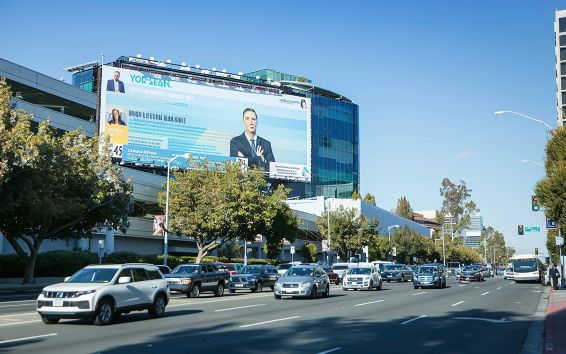
In Kuala Lumpur, one highway billboard can reach:
- People who work in an office
- Drivers of delivery
- People who use ride-hailing services
- Visitors
- People who live nearby
It's hard to get that kind of shared experience online.
Having a physical presence builds brand trust
From what I've seen, people trust brands more when they see them in real life. A brand that can afford to be in the real world has a psychological effect.
When people see your brand all the time on:
- Big roads
- Business areas
- Transit centers
It means stability. Long life. Serious intention. This is very important for promoting a brand on a large scale, where how people see it is just as important as how well it works.
Digital OOH gives you more options without losing impact
Digital OOH ads have changed the way brands use outdoor media. You don't have to stick with the same message for months anymore.
Brands can do the following with digital OOH:
- Change creatives based on the time of day
- Send out different messages on weekdays and weekends.
- Make sure your messaging matches your live campaigns or sales
I've seen brands in Malaysia change their messages during busy times and see an immediate increase in recall. Same display. Same place. Better timing.
OOH advertising helps all other channels
It's a good thing that OOH advertising doesn't work alone very often.
It makes things stronger:
- Search behavior (people look you up later)
- Social engagement (the brand feels familiar)
- Recognition in the store
- How well do online ads work?
People might not click on a billboard, but they will remember it. Seeing your brand online later makes the choice easier. Less trouble. Less doubt.
Why OOH Advertising Works So Well in Malaysia
Malaysia's cities are set up in a way that makes outdoor advertising work well. Movement is what makes cities work. There are a lot of cars on the roads. Transit systems are getting bigger. People stay in public places late into the night.
Some things that matter in the real world are:
- Long times spent commuting
- A lot of traffic jams in important areas
- Strong mall culture
- Clusters of businesses that are close together
Repetition without getting tired is good for OOH advertising Malaysia campaigns. People see the same message in different places over and over again, which makes them recognize it instead of getting annoyed.
What Brands Should Know About Digital OOH vs. Traditional OOH
It's not about picking one over the other. It's about knowing what part each one plays.
Traditional OOH:
- Strong for building a brand over time
- Very visible
- Messaging that stays the same
Digital OOH ads:
- Updates happen faster.
- Messaging based on time
- Testing ideas without having to print them again
A lot of big brands use both. Static placements help people get used to them, and digital screens make them more relevant and adaptable.
Clear Commercial Value for Big Campaigns
When campaigns grow, OOH advertising makes sense from a business point of view.
For big brands:
- Cost per impression goes down a lot
- Creative production happens in many places.
- Longer campaigns lead to better ROI
I've worked on campaigns where the same creative ran in different cities for months. Ads on the internet needed to be updated all the time. But OOH didn't. The message stayed relevant over time because it wasn't trying to follow trends.
Common Errors Brands Make When Advertising Outside
Sometimes even well-known brands get this wrong.
Billboards are not brochures. When brands use too much text, nothing sticks.
When OOH works best:
- One thing is clear
- There is one clear picture
- One action is suggested, not explained.
Not paying attention to the context of the location
A message that works in a business area might not work in a residential area. I've seen great creatives put in the wrong places, which hurts their impact. Design is less important than context.
Considering OOH as a Temporary Test
Over time, OOH ads help people remember things. Most of the time, people are unhappy when a campaign is pulled after two weeks. Brand promotion on a large scale needs to be consistent.
How to Tell if OOH Advertising Worked
People often get confused about how OOH ads measure success compared to digital ads.
This is what really works:
- Search volume for brands before and during campaigns
- More direct traffic
- Foot traffic data based on location
- Surveys that ask about brand recall
- Social mentions linked to campaign times
Digital OOH advertising also lets you track impressions and screen-level data, which helps brands figure out how people are seeing their ads without having to guess.
The most important thing is to make sure that your expectations match what OOH is meant to do: make people see it, remember it, and trust it.
When it makes the most sense to use OOH advertising
Out-of-home advertising works best when:
- Starting up or changing the name of a big business
- Going to new cities or areas
- Backing campaigns across the country
- Building up the authority of a brand
For brands that do business all over Malaysia or want to grow in the region, OOH is less of an option and more of a foundation.
Field-Based Experience-Based Insight
One thing I've noticed over the years is that brands that stick with OOH usually play the long game. They don't want clicks. They're making a name for themselves. Not all of the loudest campaigns are the best. People remember them, but they don't know why.
Why Choose Us
We want to know more than just where screens are; we want to know how people really get around cities. Our method is based on observing things in the real world, putting things in the right place, and carrying out plans. We think that clarity and consistency are more important than noise if you want to build a long-term brand presence through OOH advertising in Malaysia.
Questions and Answers
Does OOH advertising still work in 2026?
Yes. Out-of-home advertising is still effective because people are still moving around cities. People still go to work, shop, and travel every day. OOH stays visible even when ad blockers, algorithms, or tired screens are on.
What makes digital OOH ads different from ads on the internet?
Digital OOH is not on personal devices; it is on screens in public places. It combines the effects of being seen outside with the ability to send messages in different ways, without needing users to click or interact.
Is out-of-home advertising only good for big brands?
OOH is best for brands that want to grow or expand into new areas. Smaller brands can use it in certain situations, but big brands get the most out of having a consistent outdoor presence.
How long should an OOH campaign last?
Most successful OOH campaigns last at least 4 to 8 weeks. This gives people enough chances to remember the brand, especially in busy places in Malaysia.