Is Out of Home Advertising Malaysia Effective in 2026?
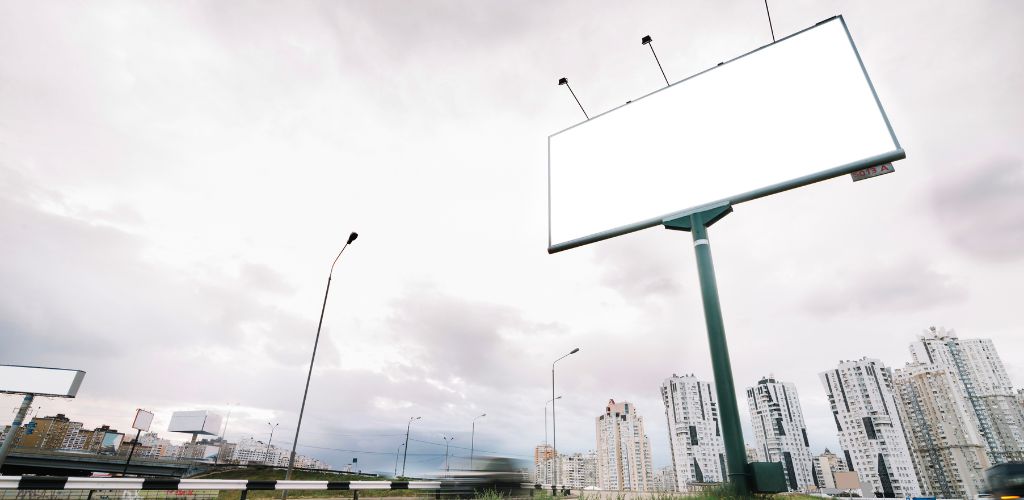
If you search for out-of-home advertising Malaysia right now, you’ll see plenty of articles saying it “still works.” But very few explain how it works today or why some brands get real results while others barely notice a lift. I’ve seen both sides. There are campaigns that quietly drive foot traffic for months. I've also witnessed campaigns that appear impressive, yet yield no results.
So let’s talk honestly about whether out-of-home advertising is still effective in Malaysia in 2026, what’s changed, and how brands should actually use it.
Does Out-of-Home Advertising Still Work in Malaysia?
Yes. However, it no longer operates in the same manner as before.
Out-of-home advertising in Malaysia hasn’t disappeared. It’s evolved. The days of “put up a big billboard and hope people remember you” are mostly gone. Today, effectiveness depends on placement, timing, and how well the message fits into someone’s daily routine.
In my experience, OOH works best when it supports a clear business goal. Brand recall. Store visits. App installs. Event awareness. When it’s treated as a random branding exercise, results usually disappoint.
The main reason it still works is simple. People still move. They commute. They wait at traffic lights. They stand in queues. And during those moments, outdoor ads have very little competition.
Why Brands Are Still Investing in Outdoor Ads in 2026
Malaysia’s urban areas are more crowded than ever. Screens are everywhere, but so is ad fatigue. People scroll past digital ads without noticing. Outdoor advertising breaks that pattern.
Here’s what I’ve consistently seen work:
- High-traffic roads near malls, offices, and transit points
- Repetitive exposure during daily commutes
- Three seconds are all it takes to understand simple, bold messaging.
Unlike online ads, people can’t skip a billboard. They might ignore it, but they still see it. That passive exposure builds familiarity over time, which matters more than most brands realize.
The Role of Location: “Advertising Near Me” Matters More Now
One big shift in 2026 is location relevance.
Search behavior has changed. People constantly look for advertising near me, whether they realize it or not. When an outdoor ad appears near a store, restaurant, or showroom, it feels timely. Almost helpful.
For example, I’ve seen food brands run LED screens just a few kilometers from their outlets. Sales didn’t spike overnight, but foot traffic increased steadily over weeks. People remembered the name when hunger kicked in.
Out-of-home advertising works best when:
- The ad is close to where action happens
- The message matches the location
- The brand is easy to find immediately

LED Billboard Advertising: The Biggest Game Changer
If you’re wondering what’s driving effectiveness today, the answer is LED billboard advertising.
Static billboards still have a place, but LED screens offer flexibility that wasn’t possible before. Brands can change messages by time of day. Morning commuters see one message. Evening traffic sees another.
I’ve worked with brands that rotated offers based on weather, traffic, or weekends. Not fancy tech. Just smart planning.
LED billboards work well because they:
- Catch attention without being intrusive
- Allow multiple creatives in one location
- Feel more current than printed hoardings
That said, brightness alone doesn’t equal results. Poor messaging on an LED screen fails just as fast as poor messaging on a static board.
What Actually Makes OOH Campaigns Effective in Malaysia
This is where many brands get it wrong.
They focus on size. Or visibility. Or how “premium” the location sounds. But effectiveness comes from clarity.
Strong campaigns usually share these traits:
Clear Message
One idea. One action. No clutter. If someone can’t understand the ad in three seconds, it’s too complex.
Consistent Exposure
Running for two weeks rarely works. OOH needs time. I usually see meaningful results after four to six weeks.
Local Relevance
Language, visuals, and tone should match the audience in that area. What works in Kuala Lumpur may not work in Penang or Johor.
Online Connection
The best outdoor ads support online behavior. People see the ad, then search the brand later. That connection is where the real value shows up.
Common Mistakes Brands Still Make
Even in 2026, the same mistakes keep repeating.
- Trying to say too much in one ad
- Choosing locations based only on traffic numbers
- Running campaigns for too short a time
- Ignoring how people will act after seeing the ad
- Treating outdoor ads as a standalone channel
I’ve seen beautiful billboards fail because there was no follow-up path. No easy website. No nearby store. No reason to act.
How to Measure Success Without Guesswork
Out-of-home advertising isn’t unmeasurable anymore. You just need realistic expectations.
Here’s what actually helps:
- Brand search volume changes during the campaign
- Increase in direct or location-based searches
- Foot traffic patterns near the ad location
- Sales or inquiries during the display period
In my experience, expecting instant conversions is the fastest way to call a good campaign “unsuccessful.” OOH builds momentum. It supports other channels rather than replacing them.
Is Out-of-Home Advertising Right for Every Business?
No. And that’s okay.
OOH works best for businesses that rely on:
- Local visibility
- Physical locations
- Repeated customer exposure
- Strong brand recognition
If your business depends entirely on one-time online conversions, outdoor ads may feel slow. But for brands playing the long game in Malaysia, it’s still a powerful tool.
Why Choose Firstboard
At Firstboard, we’ve seen how outdoor advertising performs when it’s planned with intention, not assumptions. We focus on locations that make sense, formats that fit the message, and campaigns that support real business goals. No hype. Just practical decisions based on how people actually move and behave.
FAQs
Is out-of-home advertising expensive in Malaysia?
Costs vary widely based on location, format, and duration. Some areas are premium, others surprisingly affordable. The key is choosing placements that match your audience, not just your budget.
How long should an outdoor ad campaign run?
From what I’ve seen, four to eight weeks is usually the minimum for noticeable impact. Shorter campaigns often end before the message has time to stick.
Do outdoor ads work for small businesses?
Yes, especially when placed near the business location. Local exposure combined with simple messaging can be very effective for restaurants, clinics, and retail stores.
Can outdoor ads support digital marketing?
Absolutely. Many brands see increased brand searches and direct traffic when outdoor ads run alongside online campaigns. The channels work better together than separately.