Who Should Use Advertising on Billboards in Indonesia 2026
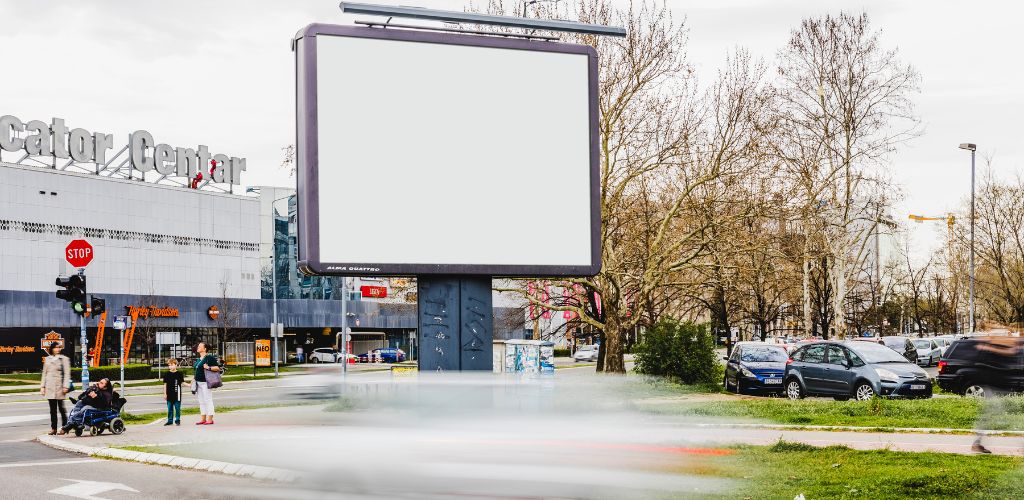
Billboards still stop people in their tracks. Not literally, of course, but enough to make them look up from their phones. I’ve seen this firsthand on Jakarta’s main arteries during rush hour, when traffic barely moves and a single visual message repeats itself in your head. That’s the quiet power of Advertising on Billboards in Indonesia.
You're not the only one who wants to know if billboards are still useful in 2026 or if they're just for big brands with lots of money. The short answer is that they aren't for everyone. But they work better than most people think for the right kinds of businesses. Let’s talk about who should actually use them.
Are Billboards Still Effective in Indonesia?
Yes, but with context. Indonesia’s cities are dense, mobile-first, and visually crowded. Digital ads get skipped. Social feeds refresh every second. Billboards don’t.
In our experience working with both local and national brands, outdoor placements work best when visibility matters more than clicks. If your goal is awareness, credibility, or physical presence, billboards still pull their weight. For many businesses, especially those operating offline or regionally, ooh advertising fills a gap that online channels can’t.
Businesses That Benefit Most from Billboard Advertising
Local and Regional Businesses
If your customers live, commute, or shop within a specific area, billboards make sense.
Think about:
- Property developers targeting a growing suburb
- Hospitals or clinics serving a 10–15 km radius
- New malls, gyms, or retail outlets
I’ve seen local brands struggle with online ads simply because people didn’t trust them yet. A well-placed billboard changed that perception almost overnight. Visibility builds legitimacy.
Real Estate and Property Developers
Property marketing is where billboard advertising quietly shines. Buyers don’t make decisions instantly. They need repeated exposure.
Billboards near project locations help with:
- Name recall
- Location association
- Perceived scale and seriousness
Many developers we’’ve worked with treat billboards as a long-term branding asset rather than a short campaign. That mindset usually pays off.
Consumer Brands Entering New Markets
Launching in Surabaya when you’re known only in Jakarta? Or entering Indonesia as an international brand? Advertising on billboards helps you say, “We’re here now.” This works especially well for:
- FMCG brands
- Automotive launches
- New telecom or fintech services
Digital ads introduce you. Billboards reinforce you.
Event Promoters and Entertainment Brands

Concerts, festivals, exhibitions. These have limited timelines and need mass awareness fast.
I’ve noticed that advertisements billboards placed near venues or major commuter routes often drive offline buzz. People talk about what they see repeatedly, even if they don’t realize it.
Brands That Rely on Trust and Credibility
Banks, insurance companies, universities, hospitals. These industries don’t sell impulsively.
A physical presence matters. Billboard advertising sends a subtle message: this brand is established enough to be visible everywhere. For trust-heavy industries, that perception counts.
Who Might Not Need Billboard Advertising
Billboards are powerful, but not universal. You may want to think twice if:
- Your product is purely online and niche
- You rely on direct-response metrics only
- Your budget can’t support consistent placement
I’ve seen small startups burn budget on a single billboard and expect instant leads. That rarely works. Billboards reward consistency, not one-off experiments.
When It Makes Sense to Advertise on Billboards
Timing is just as important as money. When do billboards work best?
- You’re starting something new
- You want to be the best in a certain area
- People already know about your brand
- You’re helping campaigns that happen online or offline.
The brightest companies in 2026 won't have to pick between online and offline. They link them.
How Billboards Support Digital Campaigns

One thing people underestimate is how billboards boost other channels.
I’ve seen:
- Branded search volume increase after billboard launches
- Social ads perform better because the brand felt familiar
- Sales teams report warmer conversations
Even when billboards don’t get direct attribution, their influence shows up elsewhere.
Common Mistakes Businesses Make When They Advertise on Billboards
Choosing Places Based on Price Alone
There is a reason why cheap places are cheap. Few cars, bad angles, and too much visual clutter.
A single high-impact location often outperforms multiple weak ones.
Overloading the Message
Too much text kills effectiveness.
People have seconds, sometimes less. If you can’t explain the core idea in one glance, it won’t land.
Expecting Immediate Sales
Billboards don’t behave like click ads. They work through repetition and memory.
When expectations don’t match reality, businesses think billboards failed. Usually, the strategy failed.
Ignoring Local Context
Indonesia isn’t one market. Jakarta, Bandung, Medan, and Makassar behave differently.
What works visually in one city may fall flat in another.
How to Measure Success Without Guessing
Billboards don’t mean flying blind. You just measure differently.
Some practical ways:
- Track branded search growth during campaigns
- Monitor store visits or inquiries by location
- Use unique phone numbers or URLs
- Ask customers how they heard about you
In my experience, combining 2–3 simple indicators gives a clearer picture than chasing perfect attribution.
Is Advertising on Billboards Right for You?
Ask yourself:
- Do people need to recognize my brand before buying?
- Do my customers move through predictable locations?
- Can I commit to visibility for at least a few months?
If the answer is yes, billboards deserve serious consideration.
They’re not flashy. They’re not trendy. But they quietly work when used properly.
Why Choose Us
If you’re considering advertising on a billboard, the hardest part isn’t the format. It’s deciding where, when, and why. We help brands think through that process calmly and realistically, based on how people actually move and notice things in Indonesian cities. Sometimes the right answer is a billboard. Sometimes it’s not. Either way, clarity comes first.
FAQ
Is advertising on billboards expensive in Indonesia?
Costs vary widely depending on city, location, and size. Major roads in Jakarta cost significantly more than regional placements. That said, many regional billboards offer strong exposure at reasonable rates, especially for long-term campaigns.
How long should a billboard campaign run?
In most cases, at least three months. Shorter campaigns rarely build enough repetition to stick. I’ve seen results improve noticeably after the second month, once people stop noticing the billboard and start remembering it.
Can small businesses advertise on a billboard?
Yes, but carefully. Smaller businesses should focus on hyper-local placements and simple messages. One clear offer in the right area often works better than trying to look big everywhere.
Do billboards still work in the digital era?
They do, especially in Indonesia’s urban environments. Billboards don’t compete with digital ads. They support them. The combination often creates stronger recall than either channel alone.