Bus Advertising in Vietnam: A Brand Guide to HCMC and Hanoi for Year-End and Tết 2027
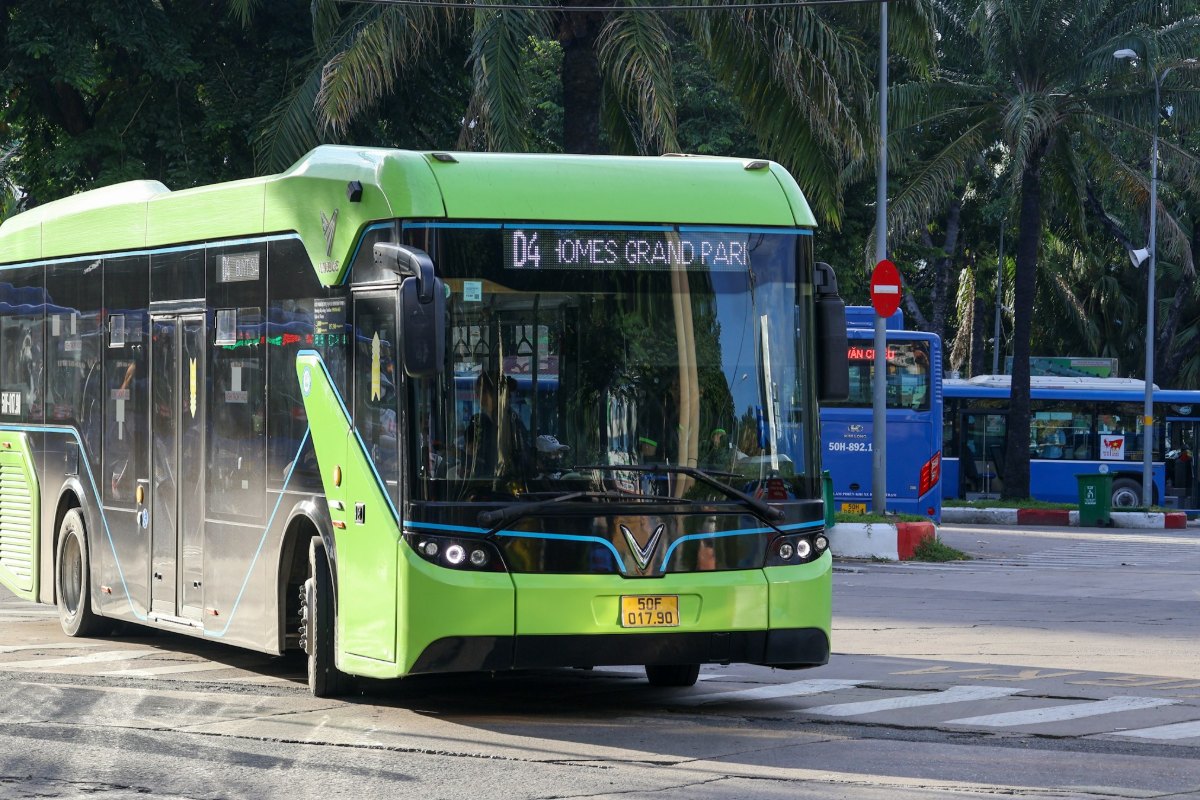
Bus advertising in Vietnam puts your brand on the move along the busiest corridors of Ho Chi Minh City and Hanoi every day. Under current law, ads may only run on the sides of a bus and cover no more than 50% of each side. With Tết Nguyên Đán falling on 6 February 2027, brands targeting the year-end and Lunar New Year shopping peaks should lock in routes and artwork during November 2026.
Why buses deserve a place on your media plan now
Both of Vietnam's largest cities are investing heavily in their bus networks. For advertisers, that means newer vehicles, more riders and a cleaner, more modern backdrop for the brand.
Ho Chi Minh City: a large network running free fares
According to the HCMC Department of Construction, as reported by Sai Gon Giai Phong in June 2026, the city runs 180 bus routes (158 urban and 22 inter-provincial) with 2,432 buses. Of those, 1,649 – almost 68% – run on electricity or other clean fuels. Ridership in the first months of 2026 was up about 10% year on year, and the city is offering free fares on 135 routes for the rest of 2026. For advertisers, free fares point to more people on board, and more eyes on buses on the street, right through the year-end peak.
The shift to electric was already visible in 2025. On 1 August 2025, 600 new buses entered service, 443 of them electric across 27 routes, taking the city's electric fleet to 613 vehicles, SGGP reported. The HCMC Public Transport Management Center put passenger satisfaction with electric buses at over 90%.
Hanoi: high volumes and a ring-road green roadmap
Hanoi Transport Corporation (Transerco) alone carried more than 125 million passengers in the first half of 2025, up 6.5% year on year and more than 56% of total network volume, according to Dai Doan Ket. On a normal weekday the capital's network runs about 17,590 bus trips, with Transerco, VinBus (routes E01, E02 and E03) and several other operators taking part (Nhan Dan).
The Hanoi Traffic Management and Operation Center reported 561 clean-energy buses (29.1% of the fleet) in March 2026, with about 857 (45.2%) expected by the end of 2026. Since 1 July 2026, every bus operating inside Ring Road 1 has to run on green energy (Doanh nghiep va Hoi nhap). Electric routes are pulling riders too: Hanoi's first four electric bus routes averaged 40 passengers per trip in February 2025 (VietnamPlus).
Metro lines are also growing in both cities, but that is a separate channel, covered in our guide to metro advertising in HCMC and Hanoi. Buses have the advantage of reaching neighbourhoods that urban rail does not yet serve.
Common bus advertising formats
- Side panels: the core format. Your message travels the route and reaches motorbike riders, drivers and pedestrians along the way.
- In-bus media: posters, handle stickers or on-board screens where buses are equipped with them. Dwell time is long because passengers ride for many minutes.
- Bus shelters: fixed sites near stops, useful for reinforcing side-panel campaigns running in the same area.
One important caveat: full-body wraps and rear-window ads, common in other markets, do not fit Vietnamese rules (see the legal section below). When comparing quotes, ask exactly how much printable area is allowed on each side. For a wider view of the options, see our overview of outdoor advertising formats worth considering in Vietnam.
The legal basics
The core rule: advertising on vehicles is governed by Article 32 of the 2012 Advertising Law. Article 32(2) bans ads on the front, rear and roof of a vehicle, and limits ads to 50% of each side on which advertising is allowed.
The 2025 amendment: Law No. 75/2025/QH15, in force since 1 January 2026, rewrote many provisions on online advertising, influencers and outdoor screens, but left Article 32 untouched. The "no front, rear or roof; maximum 50% per side" rule still stands.
The implementing decree: Decree 342/2025/ND-CP took effect on 15 February 2026 and replaced Decree 181/2013/ND-CP. Older guides that still cite Decree 181 should be checked against the new text.
Penalties: placing ads in a prohibited position or over the permitted area is an administrative violation that can lead to a fine and an order to remove the ad (He Thong Phap Luat). Creative must also respect the list of products banned from or restricted in advertising, such as tobacco and spirits of 15% ABV or more.
This article is general guidance, not legal advice.
Timeline for year-end 2026 and Tết 2027
The first day of the Lunar New Year falls on Saturday, 6 February 2027. The public holiday is expected to last about a week, pending the government's official schedule (MISA AMIS). A suggested plan:
- November 2026: choose cities, routes and the number of buses; approve artwork that fits the permitted area, and leave time for production and application.
- December 2026: be on the road for Christmas, New Year and year-end sales. Prioritise routes passing malls, markets and office districts.
- January 2027 to 6 February 2027: the peak Tết shopping window. Switch to Tết creative if the campaign runs through.
- After Tết: catch residents returning to the cities with new-year messaging.
Key takeaways
- A big, modernising network: HCMC runs 180 routes with 2,432 buses and free fares on 135 routes until the end of 2026.
- High volumes in Hanoi: Transerco alone carried more than 125 million passengers in the first half of 2025.
- The 50% rule: ads only on permitted sides, never the front, rear or roof, and no more than 50% of each side.
- Timing: book routes in November so buses are on the road in December and run up to Tết on 6 February 2027.
FAQ
Can a bus be fully wrapped with advertising in Vietnam?
No. The Advertising Law only allows ads on permitted sides (not the front, rear or roof), and ads may not exceed 50% of each side.
Did the 2025 Advertising Law amendment change the rules for ads on vehicles?
No. Law No. 75/2025/QH15 took effect on 1 January 2026 but did not amend Article 32 on vehicles. The new implementing decree is Decree 342/2025/ND-CP, which replaced Decree 181/2013 from 15 February 2026.
Is HCMC or Hanoi better for bus advertising?
It depends on your goal. HCMC has 180 routes and free fares on 135 of them until the end of 2026; Hanoi carries very high volumes, with Transerco alone at more than 125 million passengers in the first half of 2025. National brands often run both.
When should I book bus ads for Tết 2027?
As early as possible, ideally in November 2026, so buses are on the road in December and run continuously up to 6 February 2027.
Plan your campaign with Firstboard
Firstboard is a Southeast Asia OOH and DOOH advertising company. With our self-serve e-proposal builder you can put together a year-end and Tết 2027 plan yourself, then follow delivery through campaign tracking. If you are running across several markets at once, SEA Network brings multi-country planning under one roof. Start planning your Tết 2027 campaign today.