Metro Advertising in Vietnam: A Brand Guide to HCMC and Hanoi Ahead of Tết 2027
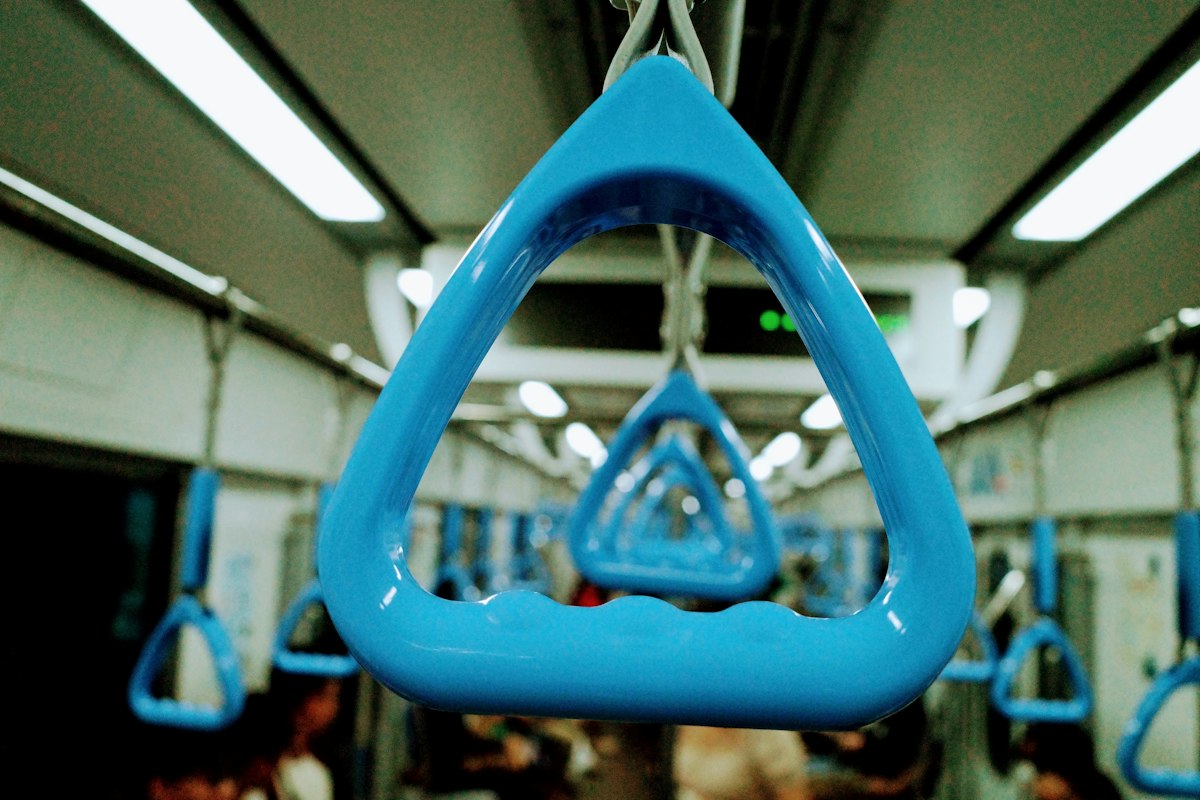
Metro advertising in Vietnam is real but still early-stage. Hanoi Metro booked its first advertising revenue from ads on Line 2A trains in 2025, while Ho Chi Minh City is still finalising how advertising will be sold on Metro Line 1. If you are planning a Tết 2027 campaign, check what inventory is genuinely available now and pair it with roadside outdoor media.
Ridership: why brands are paying attention
Ho Chi Minh City: Metro Line 1 (Bến Thành – Suối Tiên)
Line 1 opened to passengers on 22 December 2024. Its 14 stations connect the downtown core (Bến Thành, Opera House, Ba Son) with Thủ Đức to the east. After its first year it was carrying about 52,000 passengers a day, with more than 110,000 on holidays and during Tết, according to Tuổi Trẻ. By the end of 2025 the line had logged more than 20.5 million trips (Nhân Dân).
Hanoi: Line 2A (Cát Linh – Hà Đông) and Line 3 (Nhổn – Hanoi Station)
Line 2A runs just over 13 km through 12 elevated stations and has been in commercial service since 6 November 2021. In 2025 the Hanoi Metro network carried more than 20.68 million trips, over 13.68 million of them on Line 2A (Việt Nam News). Line 3's elevated section opened on 8 August 2024 and averages around 30,000 passengers a day, reaching nearly 14.2 million trips in its first two years (Tiền Phong).
What metro ad formats can you actually buy?
In mature markets, metro media typically means station posters, platform screens, train wraps, in-car panels and station naming rights. Vietnam's menu is much shorter for now.
- Hanoi: according to VCCI, Hanoi Metro earned its first non-fare revenue in 2025 from advertising on seven Line 2A trains. In-station and Line 3 inventory needs to be confirmed directly with the operator.
- Ho Chi Minh City: in June 2026, Đại biểu Nhân dân reported that the plan covering retail, services and advertising positions in Line 1 stations and on the viaduct was still in draft. The Investor likewise noted that advertising space at the central stations was not yet fully operational.
Before you commit budget, ask three things: which positions are approved, who operates them, and whether you will receive proof-of-posting reports. Pricing depends on line, station, format, flight length and production, and there is no public rate card yet. For roadside benchmarks, see our guide to billboard costs in Vietnam in 2026.
Who rides the metro?
Metro audiences are creatures of habit. In Line 3's first six months, more than 60% of riders used monthly passes, which points to a core of regular commuters such as students and office workers. Line 1 cuts through the financial and tourist centre to Thủ Đức, so it mixes commuters with younger riders and weekend sightseers. The upside for advertisers is repeat exposure through the week, plus dwell time long enough to read a detailed message or scan a QR code.
Planning a metro campaign for Tết 2027
The first day of the Year of the Goat (Tết Đinh Mùi) falls on Saturday 6 February 2027. The Ministry of Home Affairs has proposed two holiday options: seven days (4–10 February) or ten days (5–14 February). Neither is final yet.
Ridership doesn't drop off over the holiday. From 16 to 22 February 2026, Line 1 carried more than 570,000 trips, peaking at about 96,000 on 21 February. Hanoi's two lines carried more than 243,000 trips over nine days, up more than 32% year on year (Việt Nam News). A simple two-phase plan:
- Phase 1, pre-Tết (mid-January to 4 February 2027): reach commuters and shoppers with promotions and gifting messages, plus a QR code.
- Phase 2, Tết itself (around 6–14 February 2027): reach holiday riders with emotional, festive creative.
- Book early: inventory is scarce, so confirm positions in November 2026 and leave time for content approval.
Pairing metro with roadside OOH
Each metro line covers a narrow corridor, and most residents still get around by motorbike. Use the metro to build frequency with regular commuters, then add billboards, LED screens and bus-shelter ads on the roads feeding the stations: Hanoi Highway in HCMC, or Nguyễn Trãi, Quang Trung and Road 32 in Hanoi. Run the same key visual across every touchpoint. For a rundown of options, see outdoor advertising formats worth considering in Vietnam.
Legal essentials
- Amended Advertising Law: Law No. 75/2025/QH15 took effect on 1 January 2026, tightening liability for false or misleading content, including for KOLs. It is accompanied by Decree 342/2025/NĐ-CP.
- Advertising notification: for billboards and banners, Article 30 of the 2012 Advertising Law requires filing with the local authority at least 15 days before the campaign runs.
- Operator approval: station and train positions are urban-rail infrastructure assets, so all creative must be cleared by the operator and meet safety and fire-prevention rules.
This article is general guidance, not legal advice.
Key takeaways
- Ridership is meaningful: HCMC Line 1 passed 20.5 million trips by the end of 2025, and Hanoi Metro carried more than 20.68 million trips in 2025.
- Inventory is limited: Hanoi has sold ads on seven Line 2A trains; HCMC's Line 1 advertising plan was still being finalised in June 2026.
- Tết 2027 timing: confirm positions in November 2026, approve creative in December and go live from mid-January 2027.
- Pair it with roadside OOH: use the metro for frequency, then add billboards, LED screens and bus shelters on roads leading to stations.
FAQ
Can I buy metro advertising in Ho Chi Minh City yet?
As of June 2026, the advertising plan for Line 1 stations and the viaduct was still being finalised and had not been formally approved. Check the latest status before you budget.
What metro ad formats are available in Hanoi?
Hanoi Metro sold advertising on seven Line 2A trains in 2025. Other formats, such as in-station posters and screens, need to be confirmed directly with the operator.
How many people use Vietnam's metro lines each day?
HCMC Line 1 averaged about 52,000 passengers a day after its first year, and Hanoi's Line 3 elevated section about 30,000. Holiday peaks on Line 1 have topped 110,000.
When should I book metro ads for Tết 2027?
Lock in positions in November 2026, get creative approved in December, and go live from mid-January 2027.
Plan your metro campaign with Firstboard
Metro media works hardest alongside billboards and LED screens around the stations. With Firstboard's self-serve e-proposal builder you can put together a media plan online, compare outdoor sites and track your campaign on the platform. Running in more than one Southeast Asian market? SEA Network brings your multi-country plan under one roof. Start planning your Tết 2027 campaign today.