What is out-of-home (OOH) advertising? A beginner’s guide for marketers and media buyers
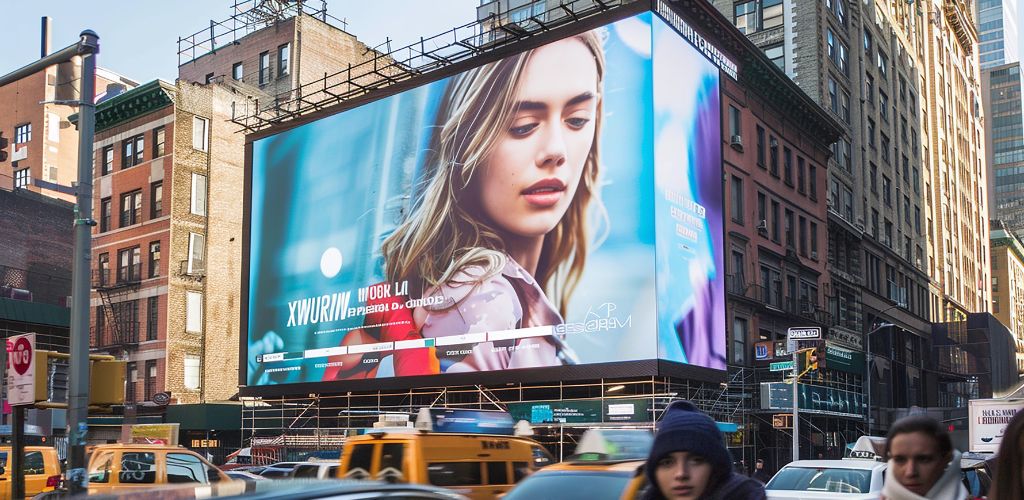
Almost everyone sees out-of-home advertising every day, but many marketers still have a hard time explaining how it works. If you've ever wondered why some billboards stay in your mind while others fade away right away, you're already asking the right questions. In this guide, I'll explain OOH in simple terms, show you what has worked in real campaigns, and help you figure out where OOH advertising fits into today's media mix.
What is out-of-home (OOH) advertising?
Out-of-home advertising, or OOH for short, is any kind of advertising that people see when they are not at home. This includes everything from regular billboards and bus stops to digital screens in malls and airports.
The main reason OOH works is that it connects with people in the real world. You can't skip or block OOH ads like you can with online ads. They become part of the environment. People see it on their way to work, during lunch breaks, while shopping, and in their daily lives.
For marketers and media buyers, marketing OOH ads is all about being seen, repeated, and in the right context. Not every goal is to get clicks right away. A lot of the time, it's about getting people to know about your brand, helping them remember it, and supporting other channels like search or social.
Types of OOH advertising
Outdoor advertising is more than just "billboards on highways" now. The format has grown, and each type has its own use.
Regular OOH
This is the classic shape that most people know:
- Big billboards on the side of the road
- Benches and bus shelters are examples of street furniture
- Posters that stay up on the wall and murals
These formats are great for getting a lot of people to see your brand, especially in busy places.
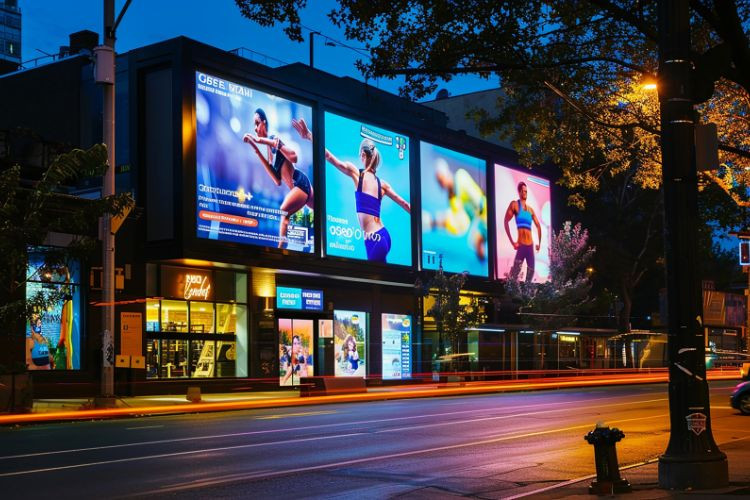
Digital out-of-home (DOOH)
Digital screens have changed the way outdoor advertising works:
- LED signs
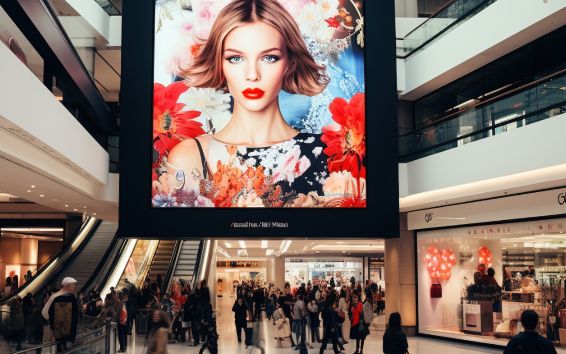
- Screens in malls, elevators, and train and bus stations
- Displays at airports and movie theaters
Digital OOH lets you use more than one creative, send messages based on time, and make updates faster. I've seen brands try out different messages in just one week and learn more than they did from months of static ads.
Advertising on public transportation
Transit OOH goes after people who are on the go:
- Bus wraps
- Inside and outside of trains
- Taxi tops and screens for ride-sharing
This type works best in big cities where people have to travel a long way to get to work and are very focused.
Media based on place
These ads show up where people spend time:
- Buildings for offices and gyms
- Stores
- Colleges and hospitals
Place-based OOH works well when the message fits with the setting. Here, context is more important than size.
Benefits of out-of-home advertising
There is a reason why OOH has survived every change in media. It gives benefits that many digital channels can't match.
Always there, hard to miss
People can scroll past ads on the internet. They can't miss a billboard on their way to work every day. That physical presence makes it possible to see things all the time.
A lot of support for other channels
From what I've seen, OOH often helps things work better in other places. The number of searches goes up. Questions about brands go up. Social engagement tends to go up when outdoor campaigns are going on.
Familiarity builds trust
Being in the same place over and over again makes it feel real. Brands that seem "out there" seem more established, especially for new or growing businesses.
A wide reach with a local effect
OOH can be very local or very big. A single billboard near a store can change how many people walk by. A campaign across the whole city can change how people see a brand.
What’s possible with today’s OOH
A lot of people don't know how flexible modern OOH is. You can't just print and forget anymore.
Dynamic content is now very common. The messages can change based on the time of day, the weather, or even live events. A restaurant that serves breakfast in the morning and dinner at night is a simple but effective example.
Measurement has gotten better as well. Even though OOH isn't about direct clicks, it can now be linked to:
- Brand lift studies
- Tracking foot traffic
- Changes in search and website traffic
- Data on exposure based on location
This is how marketing OOH ads have changed over time. It doesn't compete with digital. It's working with it.
Examples of OOH in action
There are times when theory doesn't help. Real-life situations do.
A store brand starts a sale for the season. They put up digital screens near shopping areas instead of just running social ads. Branded search queries go up a lot within two weeks, even though the ads never mention a website.
A tech company focuses on business-to-business decision makers. They put OOH in business areas and close to office buildings. The campaign doesn't push features. It pushes a clear statement of the problem. Later, sales teams say that conversations are friendlier and customers remember the brand better.
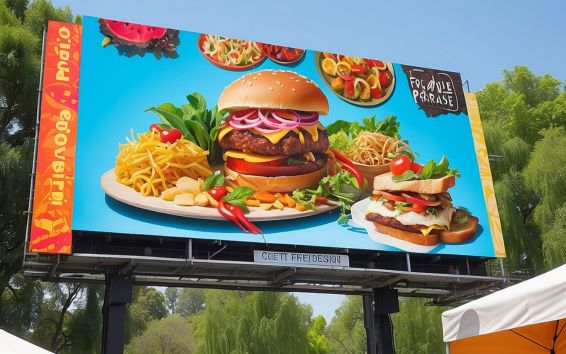
A local fast food restaurant puts ads on buses and trains that go by during lunch hour. One message, simple pictures, and no clutter. During campaign periods, more people go to stores in those areas.
These aren't unusual cases. When OOH is planned with purpose, these things happen all the time.
Common mistakes brands make with OOH
When you treat OOH like a poster version of a digital ad, it doesn't work.
One big mistake is putting too much information in the message. Too many words, pictures, and ideas. People see OOH in seconds, not minutes.
Another problem is picking a bad spot. A great creative won't work if it's in the wrong place. More than just price, visibility, traffic flow, and how people act are important.
I've also seen brands expect to make sales right away without any help. When OOH is part of a bigger plan, it works best. It's not a miracle on its own.
How to measure results and success
You need to think differently about measuring OOH, but it's not guesswork.
Set clear goals first. Are you trying to get people to know about your brand, visit your store, or remember it?
Then check out signs like:
Changes in the number of searches for your brand
Traffic to the website during campaign times
Data on foot traffic or store visits
Increase in engagement on other active channels
It helps to compare data from before and after the campaign. The effect is often indirect, but it's still very real.
Why choose us
We've worked closely with brands that want clear communication, not buzzwords. From what I've seen, the best OOH campaigns come from knowing people first, places second, and formats last. We plan in a way that makes sense, set realistic goals, and run campaigns that fit how people actually get around the city.
That's where we come in if you want help with outdoor media marketing that feels realistic and not too good to be true.
Questions and Answers
Is OOH advertising only for well-known brands?
No. You can scale OOH. Small businesses, startups, and service providers in the area use it well when they carefully choose their placements and keep their messages simple.
How long should an OOH campaign last?
Most campaigns need at least four weeks to get people to remember them and see them more than once. Shorter runs can work, but they usually only work for a certain event or promotion.
Can OOH and digital marketing work together?
Yes. OOH often improves digital results by getting more people to search for and learn about a brand, which makes other channels work better.
What makes the best creative for out-of-home ads?
Clear. One idea, one message, and strong pictures. It is too hard if it can't be understood in three seconds.