Out Of Home Advertising Costs In Indonesia: Full Guide
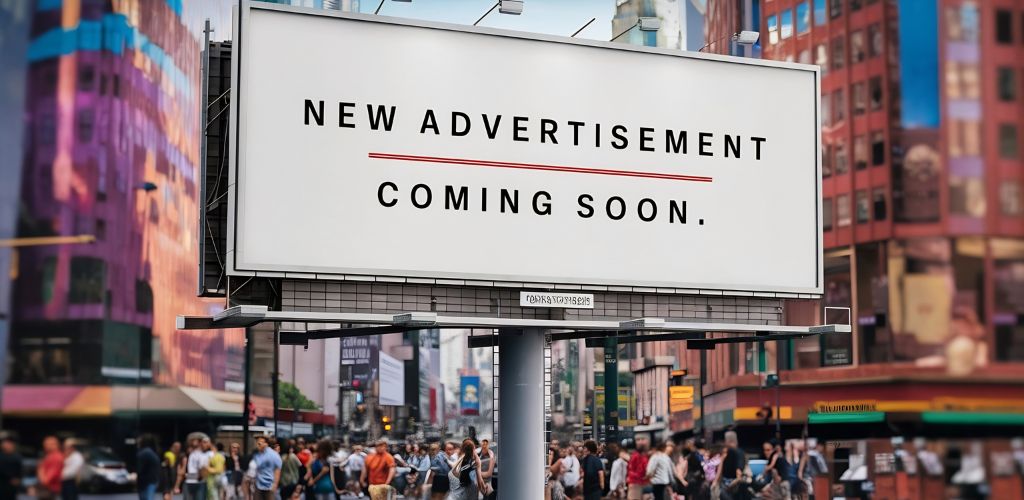
Out of home advertising in Indonesia looks simple from the outside. You see a billboard, you assume there’s a fixed price, and you move on. In reality, pricing is layered, location-driven, and sometimes… a little confusing. I’ve seen brands walk away too early because the numbers didn’t make sense at first glance. This guide breaks it down properly, so you know what you’re paying for, why costs vary, and how to judge value in 2026.
What Does Out-of-Home Advertising Mean in Indonesia?
Out of home advertising covers any ad people see outside their homes. Roads, malls, airports, transit hubs, office districts. If people are moving, OOH is there.
In Indonesia, this includes:
- Static billboards along highways and city roads
- Large-format digital screens in CBD areas
- Mall screens and atrium displays
- Transit media near MRT, bus stops, and stations
- Airport panels and LED walls
Out of home advertising here is regulated, location-sensitive, and closely tied to traffic patterns. Jakarta alone behaves very differently from Surabaya or Bandung.
How Much Does Out Of Home Advertising Cost in Indonesia?
This is the question everyone asks first. The honest answer? It depends on where, how long, and what format you choose.
That said, here are realistic 2026 ranges based on what I’ve seen brands pay.
Static Billboard Costs
Static billboards are still widely used, especially for brand recall.
Typical monthly costs:
- Secondary city roads: IDR 15–30 million
- High-traffic urban roads: IDR 40–80 million
- Prime Jakarta locations: IDR 100–200+ million
Production and installation are usually separate. Many brands forget to factor this in and get surprised later.
Digital Out Of Home Costs
Digital out of home has grown fast in Indonesia, especially in Jakarta and Bali.
Monthly estimates:
- Shared loop screens: IDR 25–60 million
- Premium LED locations: IDR 80–180 million
- Landmark digital screens: IDR 250 million and above
You’re not buying full ownership of the screen. You’re buying time slots within a loop, which is why pricing varies so much.
Mall & Indoor OOH Costs
Malls are powerful in Indonesia. People don’t rush. They linger.
Costs usually fall between:
- Small mall screens: IDR 10–25 million
- Atrium placements: IDR 40–90 million
- Premium malls in Jakarta: IDR 100+ million
In my experience, malls work best when the message is simple and visual-heavy.
Airport & Transit Advertising Costs
Airports and transit media are premium for a reason.
Expect:
- Airport panels: IDR 60–150 million
- Digital airport screens: IDR 200+ million
- MRT or station media: IDR 30–70 million
These placements are about trust and visibility, not quick conversions.
Why Prices Vary So Much in OOH Indonesia
Two billboards can look similar and be priced worlds apart. Here’s why.
Location Isn’t Just About Traffic
Traffic volume matters, but so does:
- Vehicle speed
- Viewing angle
- Obstruction from trees or buildings
- Nearby competing ads
I’ve seen cheaper boards outperform expensive ones simply because they were easier to read.
Permit and Compliance Costs
- Indonesia has strict local regulations. Some locations require special permissions, and those costs get built into pricing.
- This is one reason working with experienced providers like firstboard matters. They already understand which sites are viable and which are risky.
Duration Changes Everything
- Short campaigns cost more per month. Longer bookings usually unlock better rates.
- A one-month test might look expensive. A three- or six-month plan often brings the real value.
Static vs Digital: Which Is Better for Your Budget?
This comes up in almost every planning discussion.
Static works well when:
- You want constant visibility
- The message is simple
- Budget is fixed and predictable
Digital out of home works better when:
- You want flexibility
- Multiple creatives are needed
- Time-based messaging matters
For example, food brands often switch creativity by time of day. That’s where digital shines.
Real-World Scenarios Brands Face
- I once worked with a retail brand entering Jakarta for the first time. They chose a flashy digital screen near a mall entrance. High cost, big expectations. Foot traffic went up, but brand recall didn’t move much.
- Later, they added two mid-range static billboards on commuter routes. Cheaper. Less glamorous. Brand searches increased within weeks.
- Out of home advertising isn’t about one perfect placement. It’s about context.
Common Mistakes Brands Make with OOH Advertising
This is where budgets quietly disappear.
- Choosing locations based only on photos
- Ignoring how fast traffic moves past the ad
- Overloading the creative with text
- Running campaigns too short to be noticed
- Not aligning message with placement context
OOH is not social media. You get seconds, not minutes.
How to Estimate a Realistic OOH Budget
A simple approach I recommend:
- Decide the city first
- Choose format second
- Lock duration third
- Allocate 15–20% for production
For most mid-size brands, out of home advertising in Indonesia starts making sense from IDR 50–70 million per month when done properly.
How to Measure Results and Success
OOH doesn’t come with instant dashboards, but it’s not unmeasurable.
Common indicators include:
- Brand search uplift
- Direct traffic increases
- Location-based sales spikes
- QR scans or short URL visits
- Footfall changes near placements
When clients track even two of these consistently, decision-making becomes much easier.
Is OOH Advertising Still Worth It in 2026?
- Yes. But only when expectations are realistic.
- Out of home advertising builds familiarity. It supports digital. It creates trust at scale. I’ve seen campaigns fail when brands expected clicks. I’ve seen them succeed when brands aimed for presence.
- Indonesia’s cities are crowded. That’s exactly why OOH still works.
Why Brands Work with Firstboard
Navigating out-of-home advertising in Indonesia isn’t just about buying space. It’s about choosing placements that make sense for the message.
Firstboard focuses on:
- Location relevance, not just popularity
- Clear cost breakdowns
- Practical placement advice
- Campaigns built for real-world visibility
That approach saves time, budget, and frustration.
Frequently Asked Questions
How long should an OOH campaign run in Indonesia?
Most effective campaigns run at least three months. Shorter durations often don’t give enough exposure for recall, especially in high-traffic urban areas.
Is digital out of home better than static?
Not always. Digital offers flexibility, but static often delivers stronger recall when placed correctly. The choice depends on message complexity and location.
Can small brands afford out of home advertising?
Yes, with the right format and city choice. Many brands start with secondary locations and scale up once results are clear.
Does OOH work outside Jakarta?
Absolutely. Cities like Surabaya, Bandung, and Medan often offer better value with less clutter and more focused audiences.
Out of home advertising in Indonesia isn’t about chasing the biggest screen. It’s about smart visibility, consistent presence, and choosing placements that actually get seen. If you approach it with that mindset, the numbers start to make sense.