Mobile Billboard Vs Static Billboard: Which Works Better?
You may have noticed something interesting if you've ever looked for outdoor advertising options. A lot of brands are showing up on Google, but not many ads make you stop and click. I've seen this pattern for a long time. The impressions are there. The interest isn't. And most of the time, people are silently asking themselves one simple question:
Should I get a mobile billboard or a static one?
We should answer that question in a straightforward way that is based on real life.
The Short Answer (Because Everyone Wants It)
- When you need flexibility, targeted exposure, and quick attention, a mobile billboard is a better choice.
- If you want long-term visibility at a busy location, a static billboard is better.
- The "better" choice depends on what you want to accomplish, not which one looks better on paper.
- I've seen brands waste money by picking the wrong format just because it sounded bigger.
What Is a Mobile Billboard, Really?
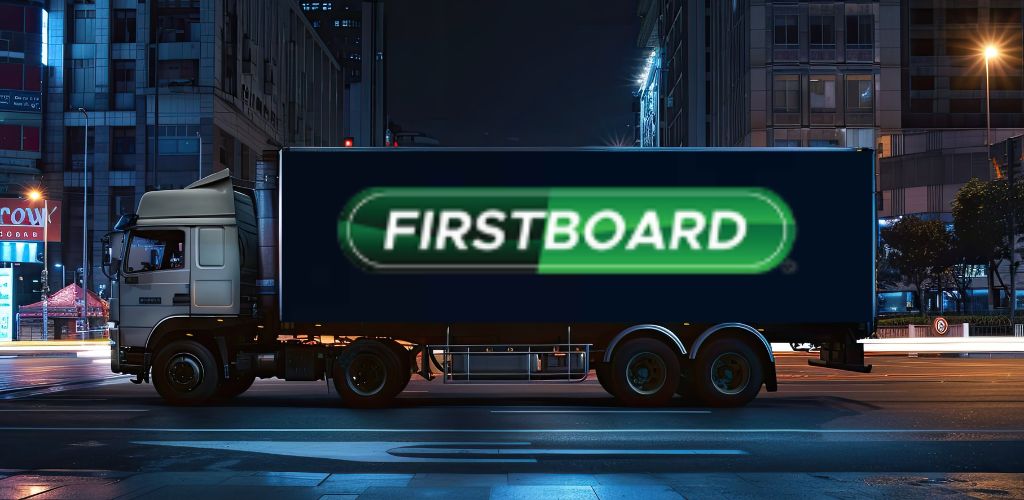
A mobile billboard is an ad that is shown on a moving vehicle, like a truck or trailer that carries a mobile billboard. It doesn't wait for people to walk by like regular billboards do. It goes where people are.
That one difference, in my experience, changes everything.
People often use mobile billboards for:
- Launching new products
- Promotions in the area
- Marketing for events
- Campaigns that are specific to an area
You can often see them driving through business districts, residential areas, or parking near events.
Firstboard has worked with brands that needed to be seen right away, not after months of waiting for recall to build.
What Makes Static Billboards Still Relevant?
Static billboards are still useful. Not at all.
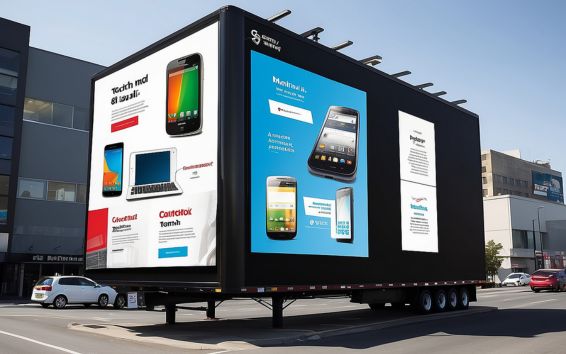
They are fixed displays that are put up on highways, at intersections, or in city centers where there is a lot of traffic all the time. You pay for that stability in the area.
When are static billboards the best?
- The main goal is to get people to know about the brand.
- The message doesn't change very often.
- You want to see it again and again over time.
I've seen static placements work very well for banks, telecom companies, and real estate brands that depend on people knowing them.
Mobile Billboard Vs Static Billboard: A Practical Comparison
1. Targeting the Audience
Everyone who walks by can see static billboards. That sounds great, but it's also very general.
You can do the following with a mobile billboard:
- Pick out specific neighborhoods
- Aim for specific times of day
- Show up near competitors or events
This control is more important to local businesses than just the number of visitors.
2. Attention & Recall
- People are used to seeing billboards that don't move. A lot of people don't even notice them anymore.
- A moving truck with ads on it breaks up the routine. People look. People take out their phones. This has happened to me many times, especially in busy cities.
- Moving around causes interruptions. Interruption makes memory.
3. Message Flexibility
Billboards that don't move are locked in. Changes after it goes up cost time and money.
With mobile billboard trailers, campaigns can be:
- Quickly traded
- Changed based on the answer
- In line with short-term offers
People don't realize how important that flexibility is until they need to fix a campaign in the middle.
4. Cost-Effectiveness
This is where things get mixed up.
Static billboards often need:
- Long-term contracts
- Fees for premium locations
- Costs up front are higher
Most of the time, mobile billboards:
- Have shorter campaigns
- Have better control over costs
- Give people more chances to test
When brands try out a new market, they usually start with mobile and then move on to static.
When a Mobile Billboard Works Better
If you meet the following criteria, you should think about getting a mobile billboard:
- You're starting something new
- Your audience is in a specific place
- You want to see things quickly
- You need to be able to change your campaign
I've worked on campaigns where just showing ads on mobile devices brought in customers within days. That's not common with static placements.
Firstboard often suggests mobile formats to brands that want more than just being seen.
When Static Billboards Still Work
Static billboards make more sense when:
- You want people to remember your brand for a long time.
- Your message is clear and will last.
- You've already checked your audience.
For highways and people who drive to work every day, static visibility builds familiarity that mobile can't always match.
Real-World Scenario: What Brands Actually Do
Over time, I've noticed this.
Smart brands don't see this as a choice between two things.
They use:
- Mobile billboards to try out messages and places
- Static billboards once they know what works
That method saves money and gets better results.
Some people even look into buying mobile billboards so they can run the same campaigns over and over again in-house.
Common Mistakes Brands Make
I see these mistakes way too often:
- Choosing static billboards without knowing how people act
- Running mobile campaigns without set routes
- Putting too much text in messages
- Expecting sales right away instead of more people knowing about it
When the message is clear and the placement is planned, outdoor advertising works best.
How to correctly measure success
Outdoor ads don't always get people to click on them right away, but that doesn't mean they don't work.
Here is what really matters:
- More brand searches
- Increase in direct traffic
- Questions based on location
- Social media mentions and shares
When using mobile billboards, timing and route tracking are important. When it comes to static billboards, placement quality and consistency are more important.
Firstboard helps brands pay attention to these signals instead of chasing after fake numbers.
Why Choose Us
It's not about picking the loudest option when it comes to outdoor advertising. It's all about picking the right one. At Firstboard, we've seen what works, what fails without making a sound, and what looks good but doesn't do anything. The goal is always the same, whether it's a mobile billboard, an advertising truck, or a static placement. Easy to see. Paying attention. Impact that can be measured. Let's Connect
Questions and Answers
Do small businesses benefit from mobile billboards?
Yes. They are often better for small businesses because they let you target your audience without having to sign a long-term contract. You can focus on certain areas where your customers really live or work.
How long should a campaign for a mobile billboard last?
Campaigns that work best last between one and four weeks. That time frame gives the message enough exposure while keeping it new and easy to see.
Do static billboards still work in markets where there are a lot of digital ads?
They do, especially when it comes to remembering brands. Static billboards make things more visible even when people aren't actively looking for something online, which is helpful in areas with a lot of traffic.
Should you buy mobile billboards for sale or rent them?
Renting makes more sense for most brands. Buying only makes sense if you plan to run long-term campaigns in many places on a regular basis.