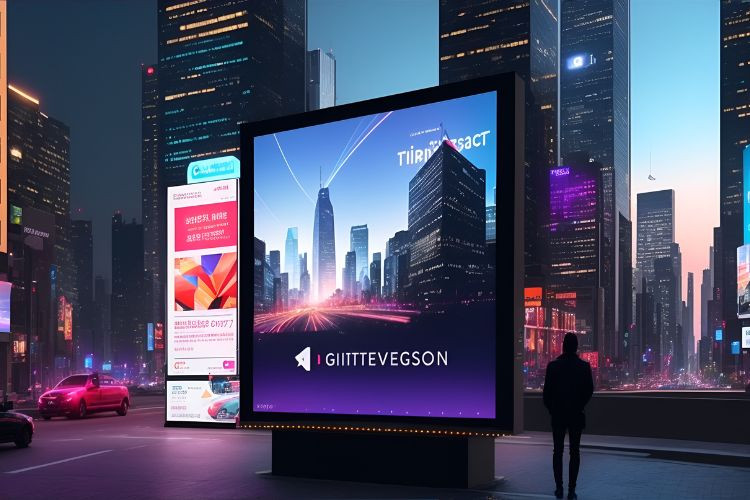
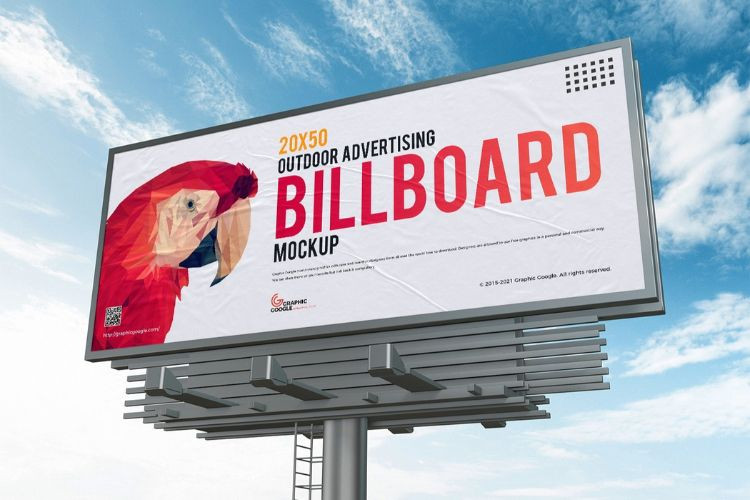
8 Types of Outdoor Advertising You Must Know — A Complete, Easy-to-Read Guide for Modern Marketers
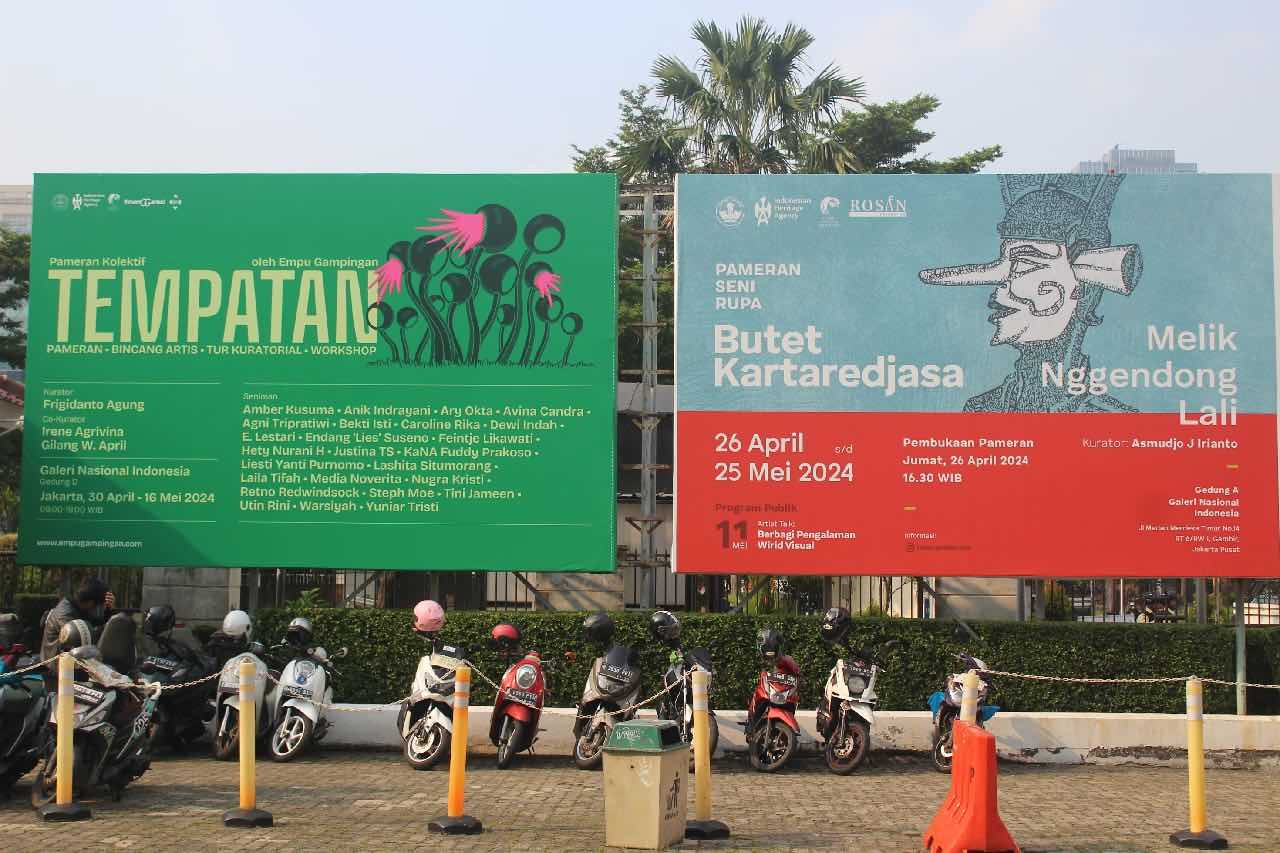
Outdoor advertising remains one of the most impactful marketing approaches, capable of reaching mass audiences with consistent visibility. Despite the rapid rise of digital platforms, outdoor media continues to evolve with new technologies and creative formats. In Indonesia, outdoor advertising has expanded significantly, featuring a diverse range of media such as baliho, static billboards, videotrons, robotic LEDs, lamp poles, LED pillars, LED totems, static totems, and cultural elements like ornamen kujang. This article provides a comprehensive explanation of each medium, its characteristics, and the differences you need to understand before selecting one for your campaign.
Choose wiser, contact us now.
1. Baliho: The Traditional Yet Still Powerful Medium
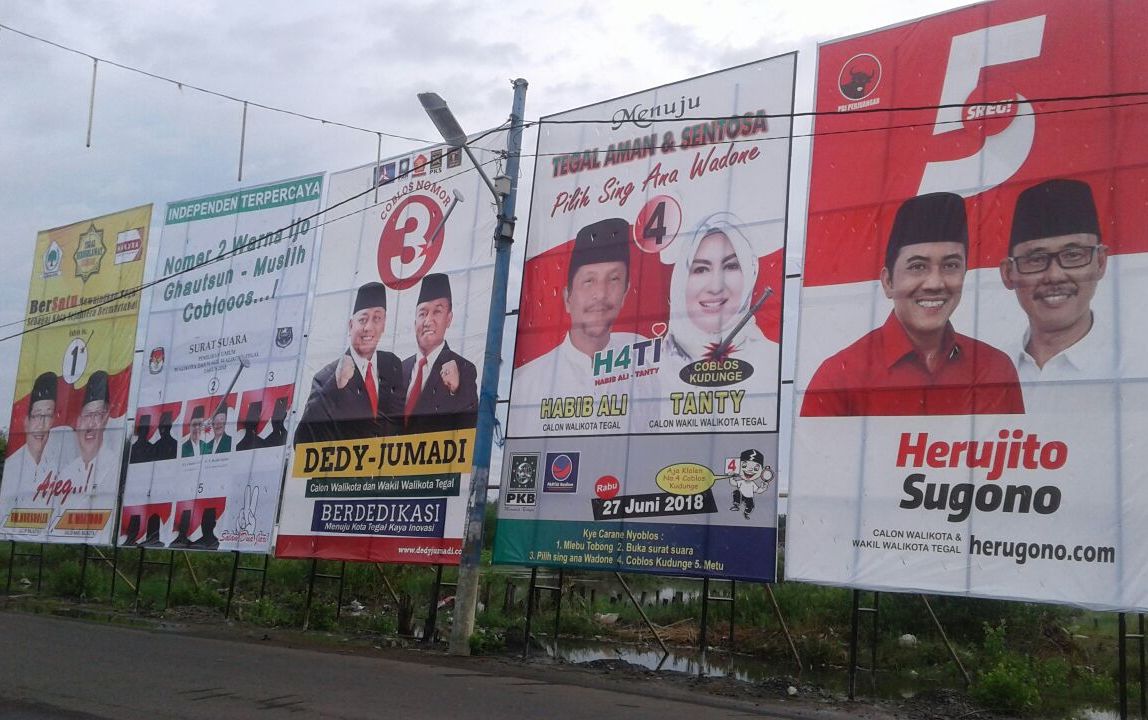
Baliho is one of the most traditional outdoor advertising formats in Indonesia. While it may look similar to a billboard at first glance, structurally it is quite different. Baliho is built using wooden frames, unlike static billboards, which use metal. This wooden structure makes baliho more flexible, easier to install, and suitable for temporary campaigns such as political promotions, event announcements, or short-term brand exposure. Because of its adaptable structure, baliho often appears in various sizes depending on the location. Its production cost is also relatively low, making it accessible for brands with limited budgets. Despite being considered traditional, baliho remains effective due to its large size, wide reach, and ability to appear in areas where permanent billboards may not be allowed.
Check our Baliho here!
2. Static Billboard: Durable Structure for Long-Term Visibility
Static billboards are the most common form of outdoor advertising worldwide. Unlike baliho, static billboards use strong metal frames, making them permanent and highly durable. These billboards often tower above roads, intersections, and major highways, providing massive exposure to both drivers and pedestrians. The visual on a static billboard is usually printed on high-quality material and mounted on the metal frame, allowing for clear and vibrant imagery that lasts for months. Static billboards are ideal for brands that want to maintain long-term awareness, strengthen brand identity, or promote flagship products. Because they are installed at prime locations, their visibility remains consistently high.
Static Billboard has various types, including:
a. Bando Billboard/Overhead Billboard
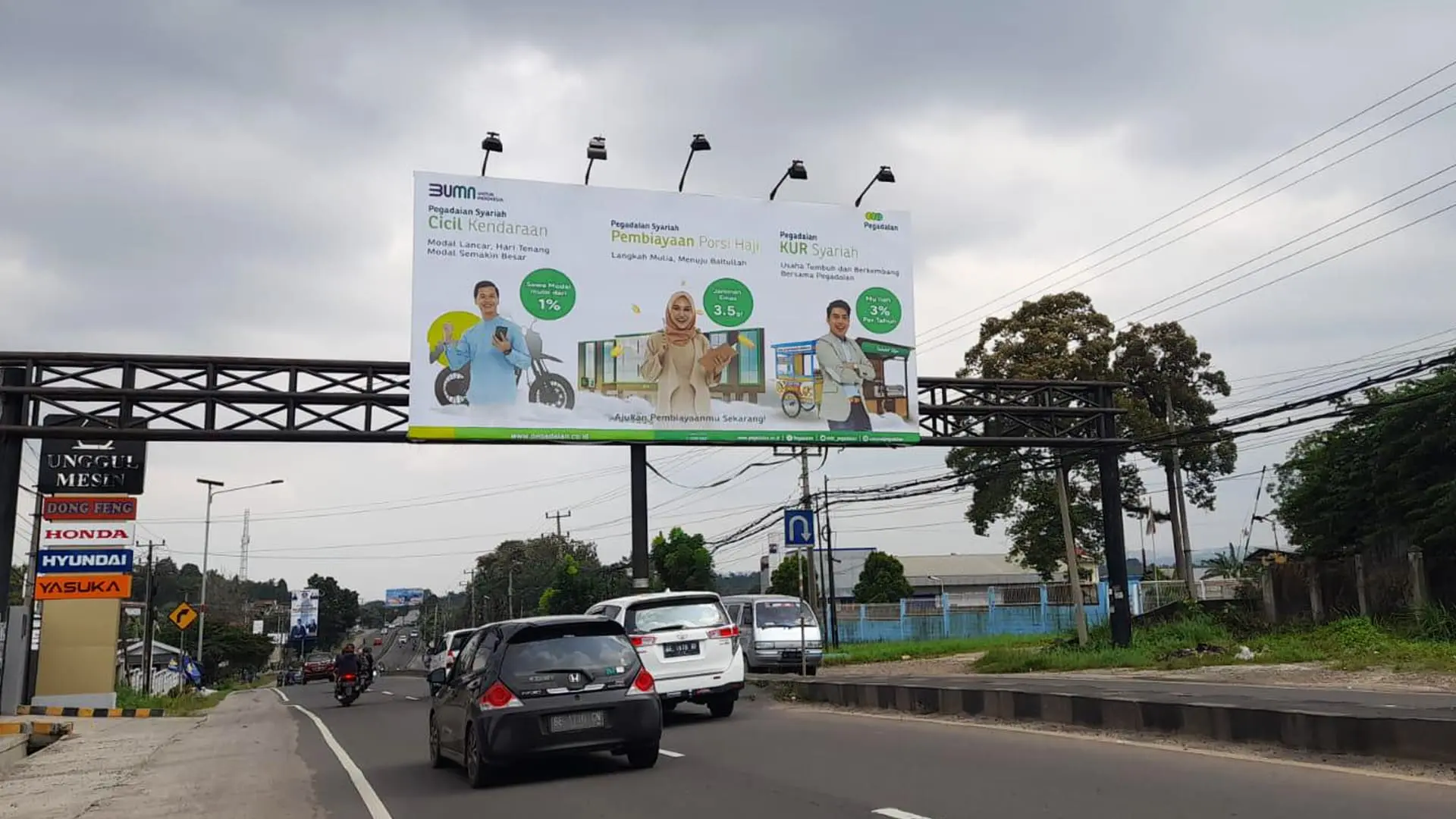
A gantry billboard spans across the road, typically installed on high-traffic arteries or major boulevards. Its wide horizontal layout provides maximum visibility from both directions, making it ideal for large-scale brand awareness campaigns. Examples can be found along Sudirman, Jakarta, and Ahmad Yani Street in Bandung. This format captures attention from a long distance, ensuring strong roadside impact. Check more Bando Billboards here.
b. Jembatan Penyebrangan Orang (JPO) Billboard/Pedestrian Bridge Billboard.
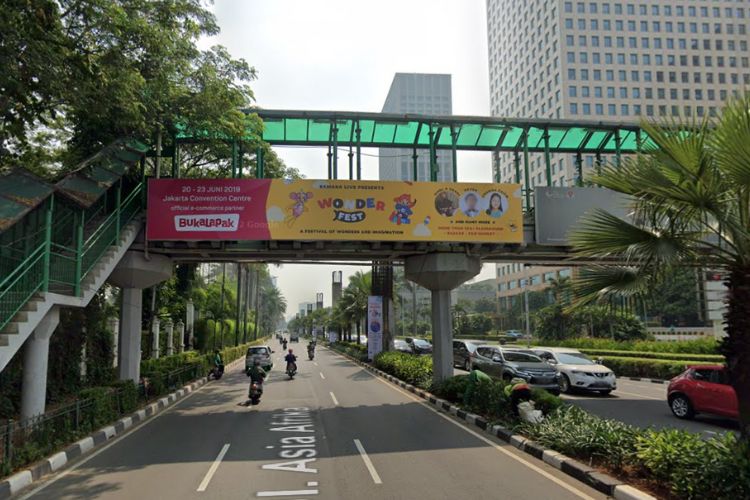
A pedestrian bridge billboard leverages foot traffic and the steady flow of vehicles beneath the bridge. Positioned at the driver’s eye level, this format delivers powerful visual exposure. Popular examples include the GBK Pedestrian Bridge and the Senayan Pedestrian Bridge. Many lifestyle and FMCG brands use this placement for mass-reach campaigns in urban centers. Interested in using this site for your brand? Check here!
c. Flyover Billboard
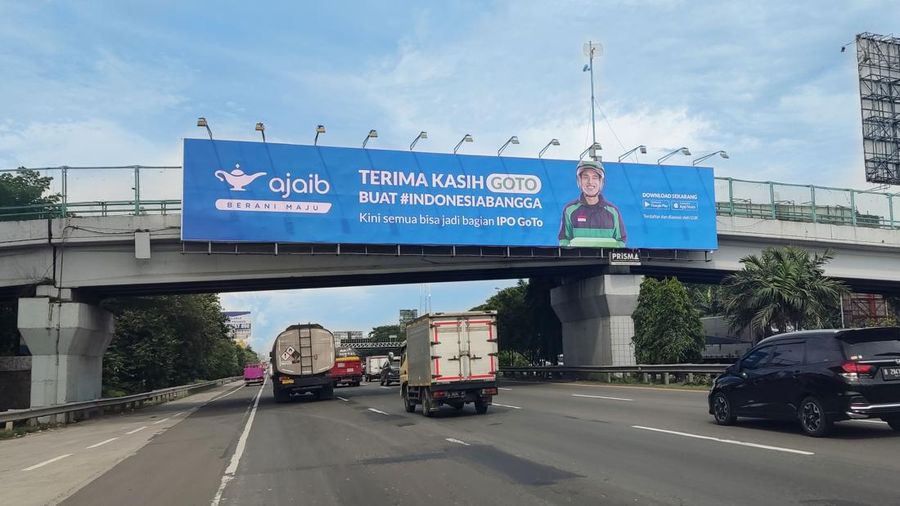
Flyover billboards are mounted on the sides or ends of elevated bridges, perfect for reaching motorists from a higher vantage point. Their elevated position ensures unobstructed visibility, free from buildings or tree cover. Notable examples include the Casablanca flyover in Jakarta and the Pasupati flyover in Bandung. This format works best for premium campaigns that rely on large visuals and strong dominance in the skyline.
d. Static Pillar

A static pillar is a standalone vertical billboard, often placed along sidewalks or within dense commercial zones. A notable example is the sculptural static pillar in the Blok M district, now a visual landmark in the area. This format captures both pedestrian and driver attention thanks to its unique and modern structure. Ideal for fashion, F&B, and tech brands seeking a stylish, eye-catching presence.
3. Videotron: The Digital Evolution of Outdoor Advertising
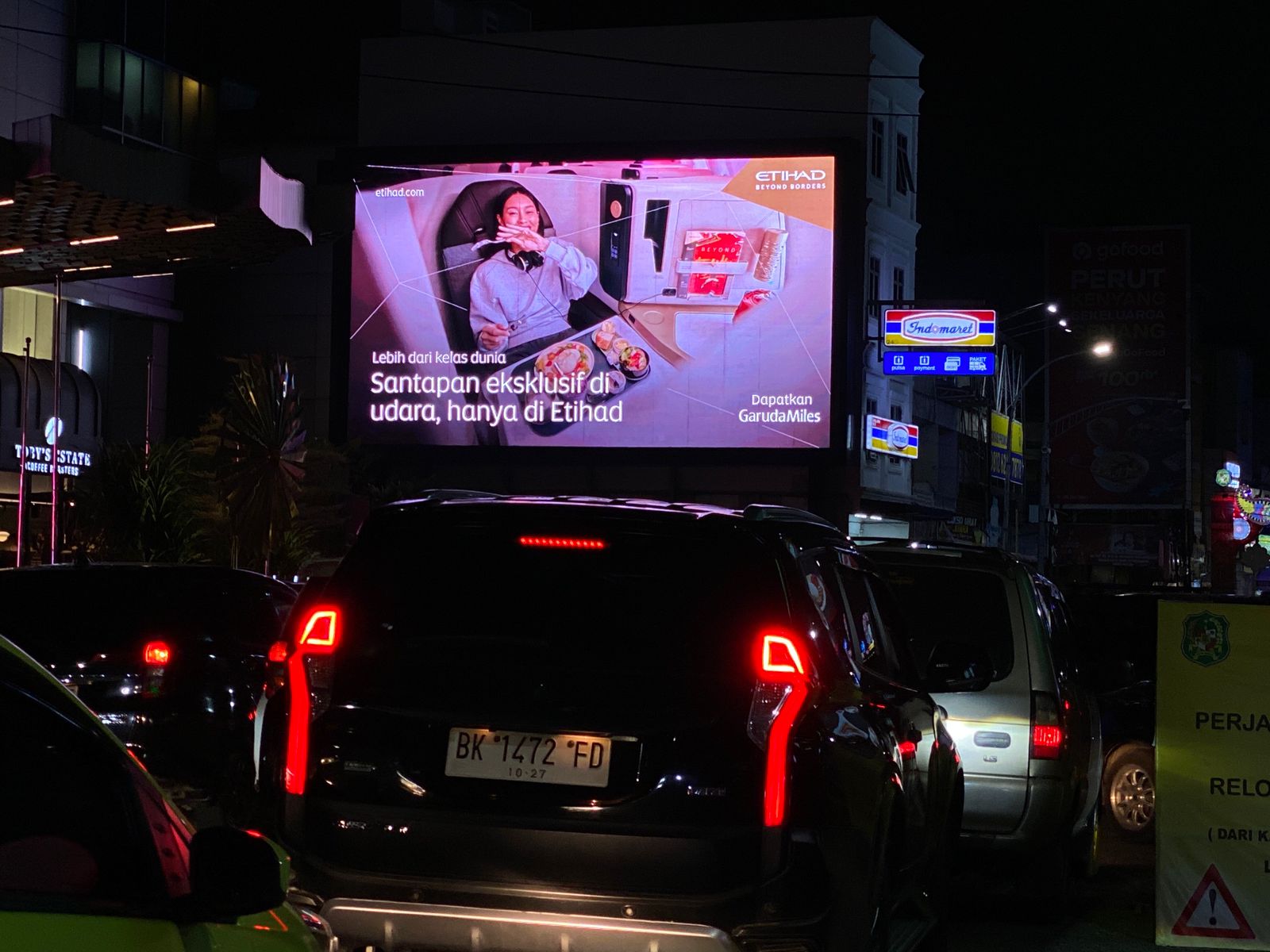
Videotrons are modern outdoor digital screens that display LED-based visuals such as animations, videos, and dynamic graphics. One of the main advantages of videotrons is their ability to host multiple advertisements in rotation. Content can be changed quickly and tailored to specific events, holidays, or campaigns. The moving visuals and bright LED lights naturally attract attention, making videotrons especially effective in high-traffic urban areas. They are often placed near intersections, shopping districts, and central business areas. Videotrons offer a high level of creative freedom, allowing brands to showcase animations or motion graphics that are impossible on static media.
Find the videotron that suits your interest here.
4. Robotic LED: High-Tech Media for Maximum Impact

Robotic LED is the cutting-edge form of digital outdoor advertising. It combines LED screens with mechanical components that allow the screen to move, rotate, expand, or transform. This movement creates a high-impact, futuristic experience that captivates audiences and elevates brand perception. Robotic LED systems are usually used by high-budget campaigns, premium brands, or extraordinary product launches. Their uniqueness makes them ideal for landmark locations where creativity and innovation are expected. Because of their mechanized structure, robotic LEDs deliver an immersive effect unmatched by static or regular digital screens.
5. Lamp Pole: Repetitive and High-Volume Exposure
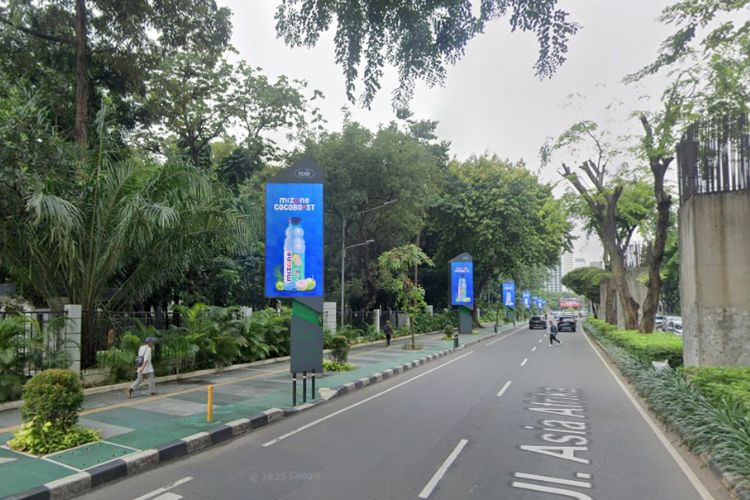
Lamp pole advertising consists of vertical posters installed on street lamp poles across a stretch of road. While each poster is small, the strength of this medium lies in repetition—dozens or even hundreds of posters across a single area create strong, continuous visibility. Lamp pole media is commonly used for city-scale promotions such as mall events, festivals, concerts, store openings, or brand campaigns targeting specific districts. When arranged properly, lamp poles provide a clean and systematic visual presence that enhances both informational delivery and aesthetic appeal.
Interested to showcase your brand in this Lamp Pole? Check here!
6. LED Pillar: Sleek Modern Advertising for Premium Areas

LED pillars are vertical LED screens designed with slim and elegant structures. They are typically located in premium public spaces such as malls, metro stations, business districts, or pedestrian zones. LED pillars deliver digital content without occupying large structural space like videotrons. Their modern design allows them to blend seamlessly into upscale environments, making them attractive for luxury brands and retail promotions. Because they stand at eye level, the engagement rate tends to be high, especially in pedestrian-heavy areas.
Check which LED Pillars pique your interest here!
7. Digital Signage
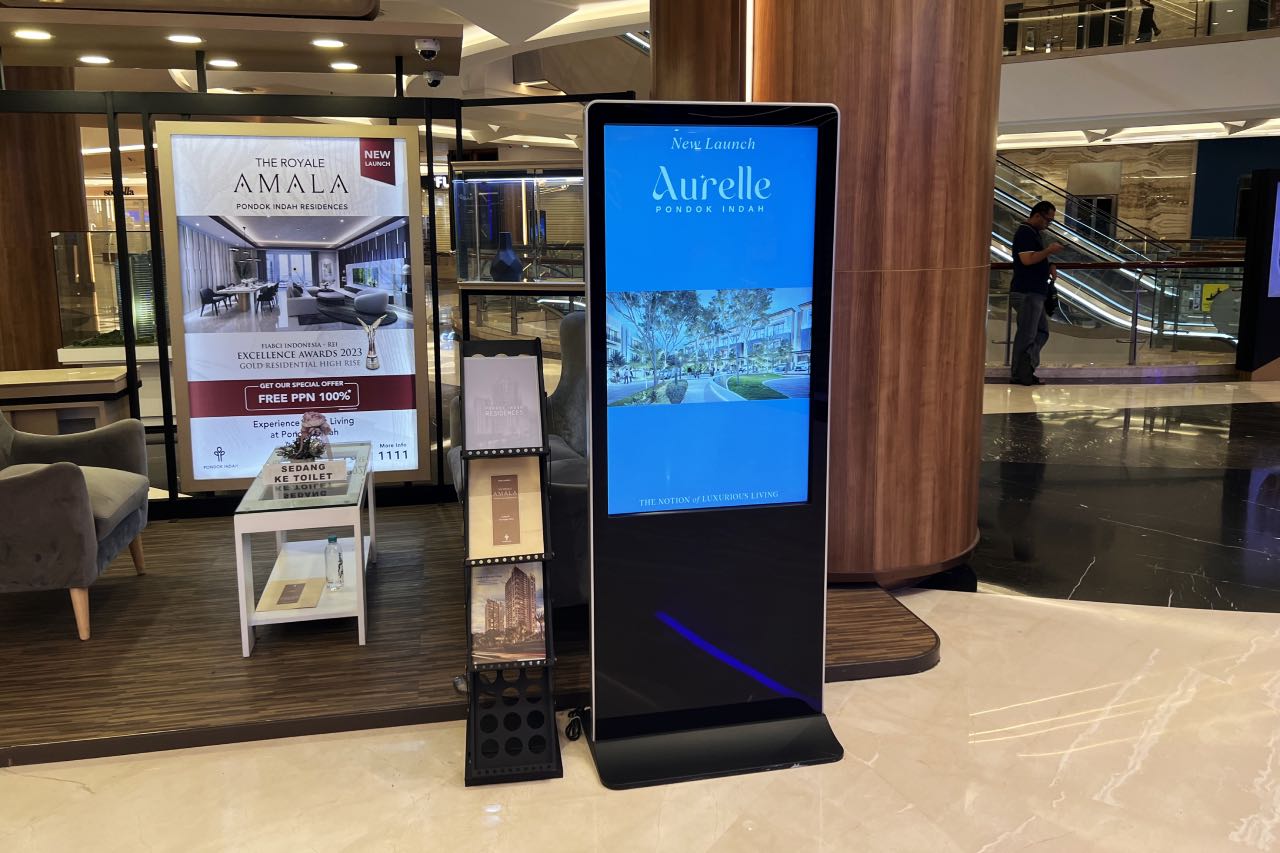
Digital signage is a highly popular medium in in-mall advertising due to its ability to deliver maximum visibility through dynamic and engaging digital content. Unlike static displays, digital signage showcases videos, motion graphics, and real-time information that can instantly capture the attention of mall visitors moving through busy areas. Strategically positioned in atriums, main corridors, near escalators, and mall entrances, it allows brands to achieve strong awareness and recall within seconds.
Another key advantage of digital signage is its high flexibility in content management. Brands can update or replace visuals instantly without changing any physical material, making it ideal for seasonal promotions, daily campaigns, or quick updates. Many major malls—such as Grand Indonesia, Pakuwon Mall, and Tunjungan Plaza—have adopted digital signage as part of their visual ecosystem to elevate the visitor experience. With vibrant visuals and adaptable formats, digital signage has become a preferred choice for brands aiming to present a modern and relevant identity in a highly competitive retail environment.
The technology behind digital signage continues to evolve, including IoT integration, visitor-sensing technology, and data-driven content systems. These enhancements allow brands to deliver contextual and personalized messages, such as time-based content or audience-responsive visuals. With these capabilities, digital signage serves not just as an advertising tool but also as a crucial component in building immersive and interactive retail experiences.
When moved to an outdoor environment, digital signage effectively transforms into a totem billboard.
A. LED Totem: Larger, Freestanding Digital Display
LED totem screens (sometimes spelled tottem) are freestanding digital monoliths with a larger display compared to LED pillars. They often appear at building entrances, mall doorways, and business complexes. With a wide vertical screen, LED totems can showcase videos, animations, interactive content, or brand messages with high resolution and brightness. Their solid structure conveys a premium feel, making them ideal for corporate communication, product launches, and sophisticated retail branding. LED totems offer a balance between flexibility and presence, making them a powerful tool for modern digital advertising.
B. Static Totem: Professional & Stable Non-Digital Display
Static totems are the non-digital version of LED totems. Instead of LED screens, they use printed visuals mounted on solid frames with clean lines and modern aesthetics. They are frequently used for long-term branding, wayfinding, tenant signage, or informational displays in malls, hospitals, campuses, and office buildings. Because they do not require electricity or digital maintenance, static totems offer a cost-efficient solution while maintaining a sleek and professional appearance.
8. Ornamen Kujang: Cultural Landmark as Visual Identity
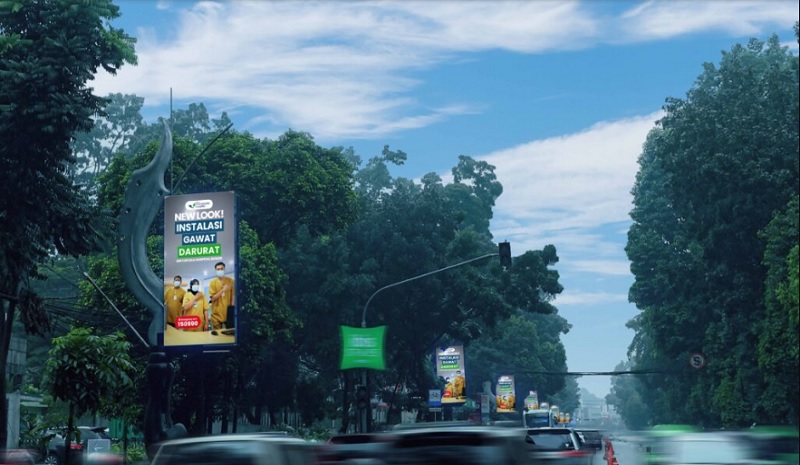
Ornamen kujang is not an advertising medium in the traditional sense, but rather a cultural decorative landmark inspired by the Sundanese kujang symbol. These structures enhance the visual identity of a city and reinforce its cultural heritage. Although they do not display commercial content, ornamen kujang contributes to the aesthetic value of public spaces and may serve as contextual background for branding activities or events. Their presence provides cultural significance, especially in cities influenced by Sundanese heritage such as Bogor.
Key Differences Among Outdoor Advertising Types
Here is a quick overview of what makes each medium unique:
-
Baliho: temporary, wooden structure, lower cost.
-
Static Billboard: permanent metal structure, long-term use, high stability.
-
Videotron: digital LED screen with dynamic content.
-
Robotic LED: advanced version with mechanical movement.
-
Lamp Pole: repetitive visibility across long distances.
-
LED Pillar: slim, modern LED screen for premium areas.
-
LED Totem: larger freestanding digital monolith.
-
Static Totem: non-digital professional signage.
-
Ornamen Kujang: decorative cultural element.
Outdoor advertising continues to evolve, offering more choices than ever before for brands seeking maximum visibility and impact. Each medium—whether traditional like baliho or advanced like robotic LED—serves a different purpose and reaches audiences in unique ways.
The right medium doesn’t just show your message — it amplifies it to the audience that matters.
By understanding the distinct characteristics and strengths of each type, brands can design effective, memorable, and efficient campaigns that stand out in today’s competitive landscape. Ultimately, success in outdoor advertising comes down to matching the right medium with the right message, location, and audience.
Consult what suits you better, and make your outdoor campaign not only good, but also impactful. Contact us now.
Pictures Credit: Wartabahari, Wicaksana Indonesia, CNBC Indonesia, Shutterstock, LIMA Advertising, ReboundAds, LestariAds, Optima