Marketing ooh advertising: Everything You Need to Know
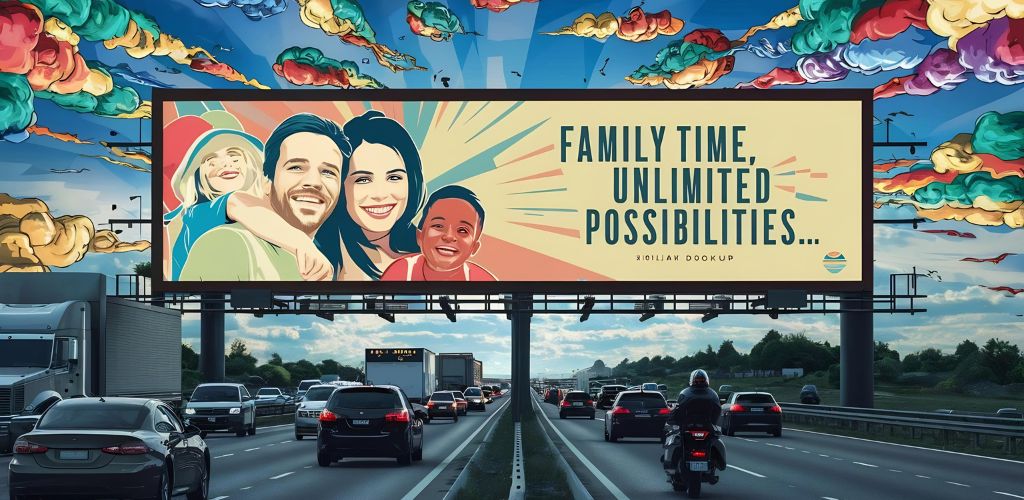
Most people see ads outside without even knowing it. A digital display at a stoplight. A clean billboard on the way to work. A wrap for transit that you see every morning. That's the power of marketing OOH advertising that you don't see.
I've worked on outdoor ads that didn't get much attention online but brought in a lot of people in person. If people see your ad on Google but don't click on it, it usually means they're interested but not sure. This guide fills in that gap. I'll tell you what OOH really is, how it works now, and when it will make sense for brands in 2026.
What Is OOH Advertising?
OOH is short for out-of-home advertising. It's any kind of ad that gets to people when they're not at home. Not a hard idea. When done right, it has a huge effect.
Advertising It's not about yelling when you do OOH advertising. It's all about being there. Being seen where your audience already is, like on roads, in malls, at work, at transportation hubs, and in neighborhoods.
In my experience, brands that think of OOH as "just a billboard" don't do as well. Those who see it as part of the customer journey do much better.
OOH works best when:
- Your audience is in your area or nearby.
- Brand recall is more important than instant clicks
- You want to see the ad over and over without getting tired of it.
People don't click on ads outside. They remember them. And memory is often what makes people act later.
Types of Outdoor Media and OOH Advertising Examples
Today, OOH looks very different from how it did ten years ago. There are still static boards, but digital and data-driven formats are quickly taking over.
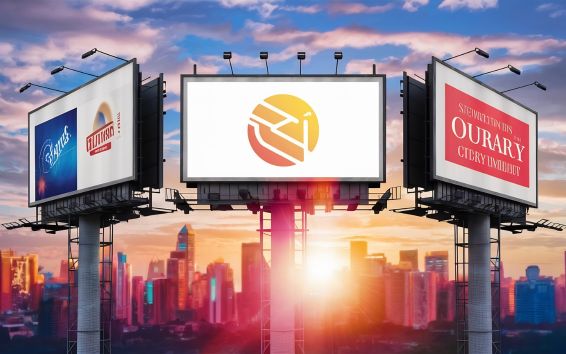
Billboards and Signs
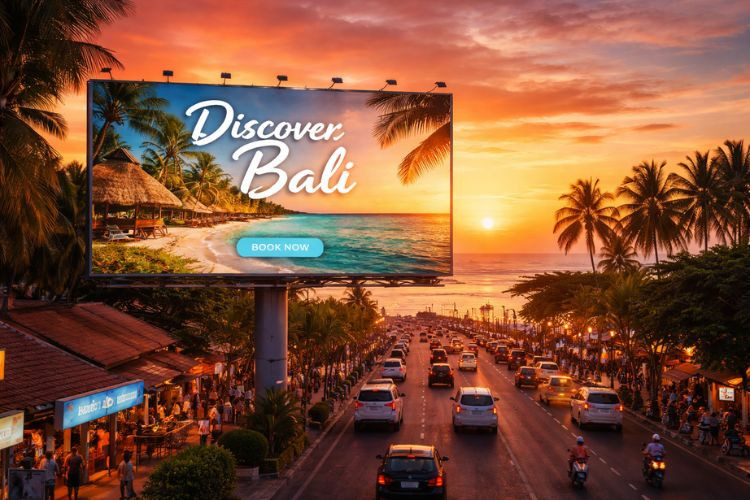
Displays that are big and on highways and main roads. Best for making people aware of your brand and keeping it visible for a long time.
For example, I have seen a simple six-word message do better than a crowded creative just because it was easy to read quickly.
Digital Billboards
LED screens set up in busy areas. These let you send messages based on time, use more than one creative, and get updates faster.
Digital boards are good for:
- Promotions that end on a certain date
- Different groups of people
- Trying out different messages
Advertising on the Go
There are ads on buses, trains, taxis, and stations. These follow people around as they go about their daily lives.
Repetition makes this format powerful. Same path. Same people. The same thing.
Furniture for the Street
Poles, benches, kiosks, and bus stops. Smaller sizes, but closer to the eye.
Great for brands that focus on the neighborhood, as well as for local services and events.
Based on Place Mediaa
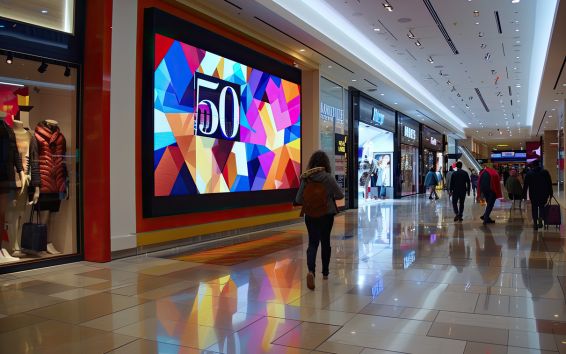
There are screens in malls, airports, offices, gyms, and elevators.
These places are in charge. People aren't in a hurry. Longer attention span.
When the format of outdoor media marketing matches how people walk, stop, and wait in that space, it works best.
What You Need To Consider in Outdoor Advertising
From the outside, OOH looks easy. No, it isn't. Before the ad even goes live, a lot can go wrong.
Location Is Key
Just because there are a lot of cars doesn't mean it's good. Who is going by? How fast? When?
I have seen high-end places fail because the product didn't fit the audience.
Clarity of Message
Your message is too long if people can't understand it in 3–5 seconds.
Think about:
- Can people read this while they walk or drive?
- Is there a clear idea?
- Is the brand easy to see?
Design That Is Creative
Design for OOH is not the same as design for social media. Most of the time, small text, complicated images, and multiple CTAs don't work.
A lot of contrast. Less words. One main point.
When and for How Long
OOH doesn't happen right away. Without strong repetition or digital frequency, short campaigns often have a hard time.
Not just exposure, but also planning for consistency.
Working With Other Channels
When OOH supports something else, like search, social media, store visits, or events, it works best.
People often see the ad outside first and then look for the brand later.
Benefits of Out-of-Home Advertising Media
OOH does not take the place of digital. It adds to it in ways that digital often can't.
A Lot of Trust and Credibility
People trust brands they see in real life without even thinking about it. A billboard feels like it's been around for a while. For real.
No Blocking of Ads
You can't skip, block, or scroll past OOH.
Strong Memory of the Brand
Being in the same place over and over again helps you remember things. Memory creates preference.
Targeting People in a Specific Area at a Large Scale
You can take over a certain area without spending money on impressions that don't matter.
Works for Everyone
OOH gets to people of all ages, on any platform, and with any device.
That's why advertising OOH is still useful in 2026, even though everything is going digital.
Common Mistakes Brands Make With OOH Advertising
I have looked at a lot of outdoor campaigns that didn't do well. Most of the time, the problems are very human.
- Trying to say too much in one ad
- Picking places to stay based only on price
- Copying and pasting digital creatives into OOH formats
- Running campaigns that aren't long enough to make people remember them
- Not keeping track of results beyond "visibility"
OOH rewards being patient and clear. It punishes people who are confused.
How to Measure Results and Success
It's not guesswork anymore to measure OOH. You just need to know what to look for.
Brand Search Boost
Keep an eye on brand-related search terms during and after the campaign.
Traffic to the Website by Location
Spikes from specific areas are a strong sign.
Store Visits or Questions
This is often the clearest sign for local businesses.
Custom URLs and QR Codes
Be careful when you use them. They work best in places that aren't too busy, like malls or train stations.
Correlation Based on Time
Match the dates of your campaigns with the trends in engagement. Patterns are more important than one spike.
In outdoor media marketing, success is often indirect but very real.
Simplify OOH Media Planning With Camphouse
Planning OOH used to mean making a lot of calls, filling out spreadsheets, and not knowing how much things would cost. That's changing.
Brands can use platforms like Camphouse to:
- Find verified outdoor gear
- Look at different places and formats
- Make plans for campaigns faster
- Lower the number of mistakes in planning
Strategy gets better when planning gets easier. And a better strategy always leads to better outcomes.
Why Choose Us
We know what works and what doesn't in outdoor advertising. We don't use hype; instead, we focus on clarity, location intelligence, and realistic expectations. If you're looking into OOH for brand growth, your first goal should be to understand it, and your second goal should be to do it. That's where we come in.
Questions and Answers
Does OOH advertising still work in 2026?
Yes, especially when used with digital channels. OOH helps people remember and trust a brand, which often leads to online searches and actions in the real world later.
How long should an OOH campaign last?
Most successful campaigns last at least four to eight weeks. Shorter times usually don't give you enough chances to remember.
How much money do you need for outdoor media marketing?
Depending on where you are and what format you use, budgets can be very different. It's better to put your money into fewer, more effective placements than to spread it too thin.
Is it possible for small businesses to use OOH ads?
Of course. Street furniture and transit ads are examples of local formats that are often cheap and very targeted for small and regional brands.