How to Choose the Right Billboard Location in Indonesia
If you’ve ever searched for billboard options in Indonesia, you’ve probably noticed the same thing I have. Plenty of pages show up on Google, but very few actually help you decide where to place your ad. That’s why many brands get impressions and still see no calls, no website visits, no lift. In my experience working with OOH advertising across Indonesia, the location choice matters more than the design, the format, or even the budget. Get the location wrong, and everything else struggles.
Why Billboard Location Matters More Than You Think
OOH advertising is often treated as a visibility game. Bigger road, bigger screen, more traffic. That sounds logical, but Indonesia doesn’t behave like a simple traffic chart.
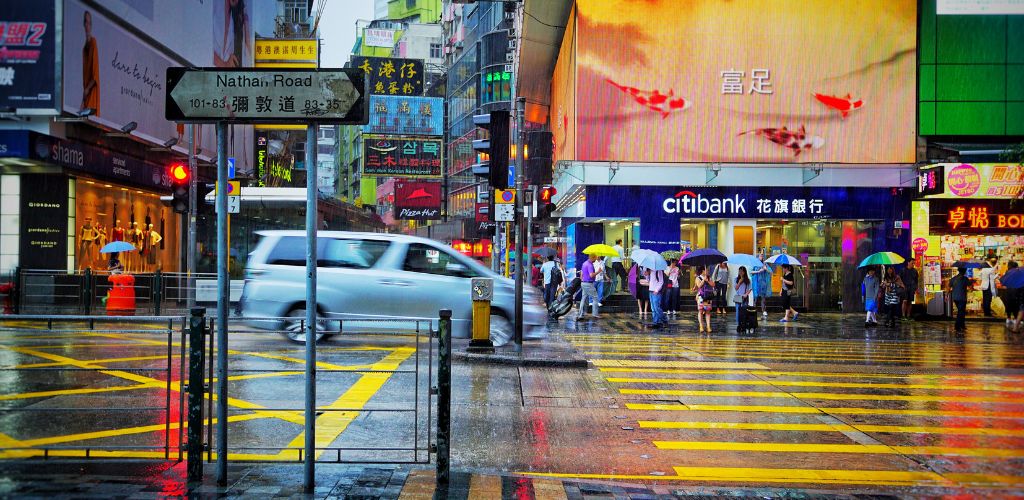
Jakarta, Surabaya, Bandung, Medan, and Bali all move differently. People commute differently. They stop, slow down, and look around in different ways. I’ve seen campaigns on busy highways get ignored completely, while smaller placements near intersections or traffic lights delivered stronger brand recall. Location isn’t about how many people pass by. It’s about how many people actually notice.
Start With Audience Behavior, Not Just Traffic Numbers
Before looking at any map or rate card, ask one simple question: who are you trying to reach? In Indonesia, audience behavior changes sharply by area. Office workers spend long hours stuck at predictable choke points. Motorbike riders notice visuals at eye level, not high above buildings. Tourists in Bali behave very differently from daily commuters in Jakarta. If your product targets professionals, a billboard near business districts or office corridors will usually outperform a highway screen. If your brand is lifestyle or retail-focused, areas near malls, cafés, or mixed-use zones work better. OOH outdoor advertising works best when it aligns with daily routines, not just traffic volume.
Understand the Difference Between Static and Digital Locations
Not every location supports every format equally well.
Static billboards work when:
-
The road speed is moderate
-
The message is simple and bold
-
The exposure is repetitive over days or weeks
Digital OOH works better when:
-
Traffic slows or stops
-
The area has strong ambient lighting
-
Multiple creative messages add value
Digital OOH advertising in Indonesia has grown fast, but I’ve seen brands misuse it. A digital screen on a fast-moving highway often wastes its flexibility. People don’t have time to process changing messages. Location decides whether digital OOH adds power or becomes a distraction.
City-by-City Reality in Indonesia
Indonesia isn’t one market. It’s many small ones stacked together.
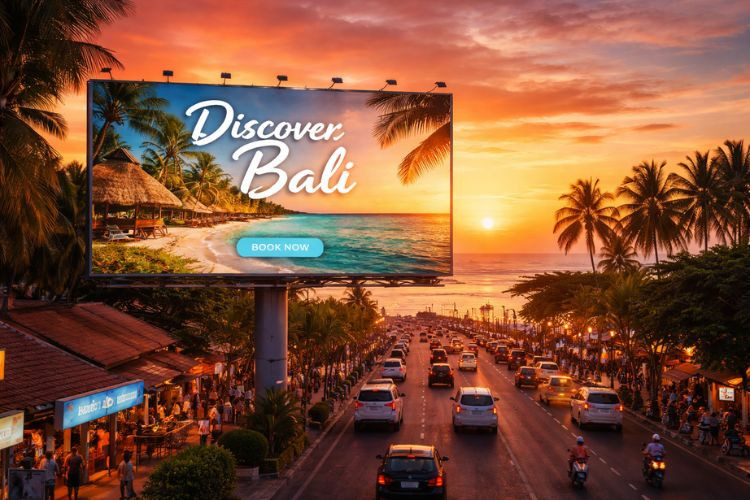
Jakarta is about frequency and repetition. People see the same routes every day. A well-placed billboard near traffic lights or toll exits can build strong recall. Surabaya and Bandung respond well to arterial roads near commercial zones. Visibility plus relevance matters more than sheer size. Bali is a different story. Tourist-heavy areas work, but only when the message fits the environment. Aggressive sales messages feel out of place and get ignored. OOH advertising Indonesia requires local thinking. Copy-pasting a Jakarta strategy into another city rarely works.
Visibility Isn’t Just About Size or Height
A common mistake is choosing the tallest or largest billboard available.
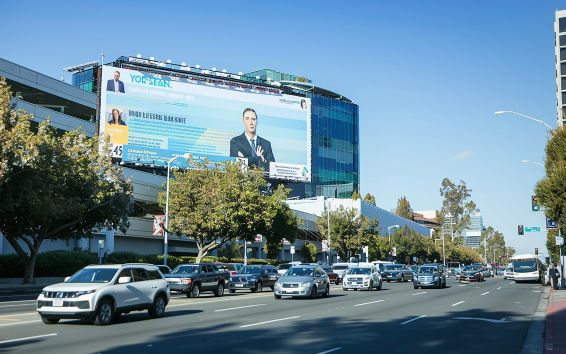
Height can actually reduce effectiveness if the viewing angle is uncomfortable or blocked by trees, cables, or buildings. I’ve personally visited sites that looked great on photos but failed in real life.
When evaluating a location, check:
-
Line of sight from the road
-
Obstructions during different times of day
-
Whether people naturally look in that direction
A medium-sized billboard at eye level often outperforms a massive one placed too high.
Match Message Complexity With Location Context
This part gets overlooked a lot. If your billboard is placed where traffic moves fast, your message must be extremely simple. Brand name, one idea, maybe a visual hook. If the location forces vehicles to slow down, you can afford slightly more detail. That’s where digital OOH shines. OOH advertising fails when brands try to say too much in places where people can’t read it.
Ask the Right Questions Before Finalizing a Site
Media owners will always show you traffic counts and impressive photos. That’s their job.
Your job is to ask:
-
What time of day is this location most active?
-
Who is actually passing here?
-
How long do vehicles typically stop or slow down?
-
What other ads compete for attention nearby?
In my experience, locations surrounded by clutter often underperform, even with high traffic.
Common Mistakes Brands Make When Choosing Billboard Locations
I’ve seen these errors repeat across campaigns, big and small.
-
Choosing based only on traffic volume
-
Ignoring how fast vehicles move
-
Trusting site photos without visiting
-
Using digital screens where static would work better
-
Assuming one city strategy fits all of Indonesia
Most low-performing OOH advertising campaigns fail quietly because of one of these decisions.
How to Measure Whether Your Billboard Location Is Working
Measuring OOH isn’t about clicks alone, but there are still clear signals.
Look for:
-
Increase in branded search volume
-
Direct website visits during campaign period
-
More inquiries mentioning “I saw your ad”
-
Improved recall in follow-up surveys
If nothing moves at all, it’s often the location, not the creative.
I’ve seen brands redesign visuals three times when the real issue was placement.
Digital OOH vs Traditional OOH: Location Still Wins
There’s a belief that digital OOH automatically performs better. That’s not always true. Digital OOH advertising adds value when the location supports it. Without the right environment, it becomes an expensive static screen. OOH outdoor advertising, digital or traditional, still follows the same rule: location defines attention.
Experience-Based Insight: What Actually Works
After working on multiple OOH advertising Indonesia campaigns, one pattern is consistent. Locations that match daily behavior outperform “premium” spots chosen for prestige. A screen people see every morning at the same traffic signal builds memory. A giant billboard they glimpse once a week does not. Repetition in the right place beats novelty in the wrong one.
Final Thoughts
Choosing a billboard location in Indonesia isn’t about chasing the busiest road or the biggest screen. It’s about understanding how people move, where they pause, and what they’re likely to notice. OOH advertising works quietly when done right. You don’t always see instant reactions, but the brand sticks. If you’re planning your next campaign, take time to evaluate locations with real-world context, not just numbers on a sheet. That’s usually where the difference is made.
FAQ
How much does billboard location impact campaign success in Indonesia?
A lot more than most brands expect. In many cases, location contributes more to success than design or format. A well-placed billboard with average creative often outperforms a great design placed in the wrong spot.
Is digital OOH better than traditional billboards?
It depends on the location. Digital OOH works best where people slow down or stop. In fast-moving traffic areas, traditional billboards with simple messages often perform just as well, sometimes better.
Should I choose highways or city roads for OOH advertising?
Highways offer volume, but city roads offer attention. If your goal is awareness with recall, city roads near intersections or commercial areas usually deliver stronger results in Indonesia.
How long should a billboard campaign run to judge performance?
Most campaigns need at least four to six weeks to show meaningful impact. Shorter durations often don’t allow enough repetition for people to remember the brand or message.