MRT Advertising in Singapore: Formats, Sellers, Ridership and How to Time It for Year-End and CNY 2027
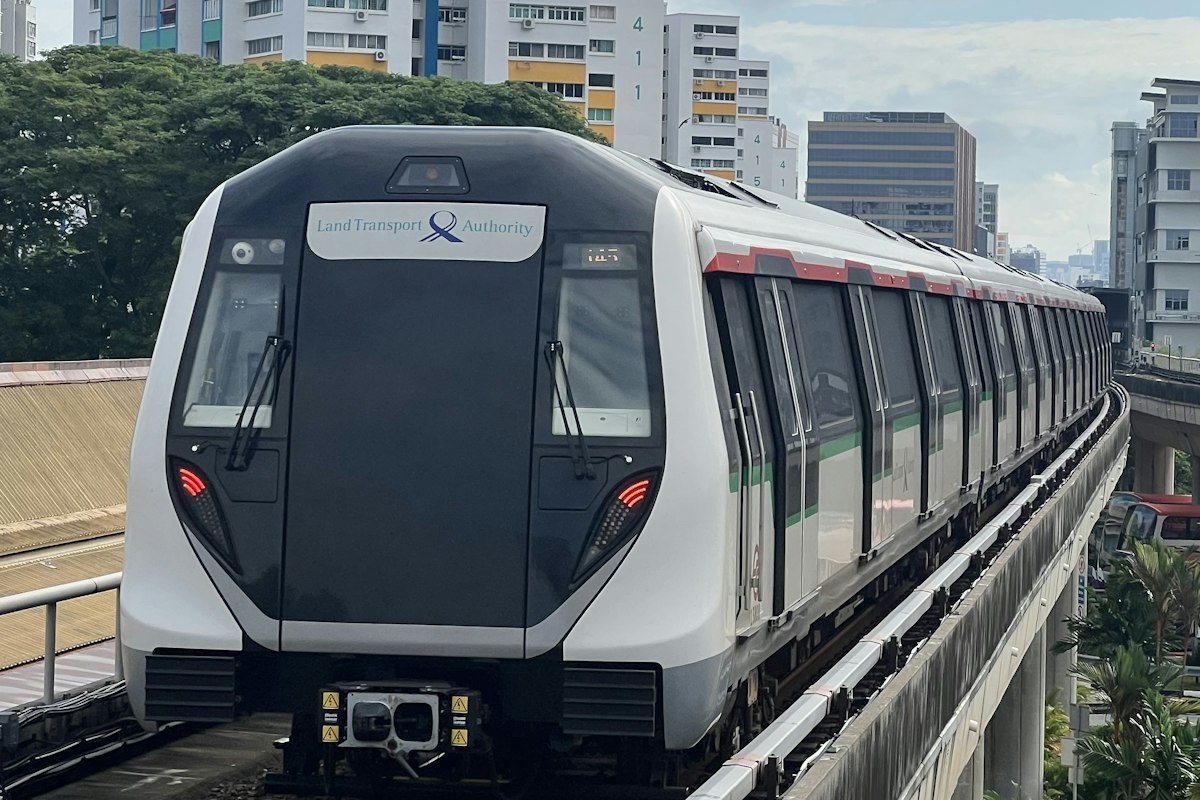
MRT advertising in Singapore puts your brand in front of a rail network that carried an average of 3.49 million rides a day in 2025, across station panels, platform screen doors, digital concourse screens and full train wraps. Space isn't sold by a single company: who you book with depends on the line, so plan by line and station first. For the year-end and Chinese New Year 2027 peak, aim to confirm bookings at least six to eight weeks before launch.
This guide covers the formats available, who sells each part of the network, what the ridership data shows, and how to work out a booking timeline for the busiest stretch of the calendar.
Why MRT advertising still earns its place on the plan
Rail ridership has passed its pre-pandemic level and is still climbing. According to LTA's yearly ridership figures, average daily MRT ridership rose from 3.24 million in 2023 to 3.41 million in 2024 and 3.49 million in 2025. LRT added another 209,000 a day.
The network is growing too. Stage 4 of the Thomson-East Coast Line (TEL) opened in June 2024 and runs to Bayshore. Stage 5, which adds Bedok South and Sungei Bedok, was slated for the second half of 2026, according to public records of the line and TheSmartLocal's TEL5 guide. New stations bring fresh inventory and new commuter catchments in the east. They also come with less ad clutter while brands are still catching up.
Who sells MRT advertising in Singapore?
Rail advertising is split by line, so it's worth getting this right before you ask for quotes:
- Stellar Ace (SMRT): Stellar Ace is the former SMRT Media, rebranded as Stellar Ace, and it sells advertising on SMRT trains and stations. A 2026 Broadsign case study credits it with about 4,000 train assets and 33.4 million weekly train impressions. These are company figures.
- Moove Media (SBS Transit lines): SBS Transit sends advertisers to Moove Media, which covers the North East Line and Downtown Line. In July 2026, Mediacorp, Moove Media and SBS Transit signed an MOU to explore bundled cross-platform packages and better audience measurement across the 67 NEL and DTL stations. Moove Media also became the single bus advertising operator from November 2025, but that contract doesn't include rail.
- Asiaray (Thomson-East Coast Line): In 2019, LTA awarded the TEL advertising concession to Asiaray Connect for 16 years from the start of revenue service. It was the first time LTA had outsourced rail non-fare business.
JCDecaux is a big transit player elsewhere in Asia, but none of the sources we checked showed it holding a current Singapore MRT concession. Always confirm the operator for the specific stations you want before you finalise a plan.
MRT advertising formats
Station formats
Common station formats include platform screen door panels, escalator and stair-riser panels, wall murals and mega panels, floor stickers, and lift wraps. The biggest format is station domination, where one brand takes most of the space in a single station. When TEL Stage 4 opened, Etiqa Insurance ran a station takeover at Marine Parade that included 76 platform screen door panels and an interactive game on an 86-inch screen.
Digital panels
Digital screens let you change creative by time of day and rotate messages during a campaign. Some sites are landmarks in their own right. Moove Media's Outram travelator wall is 54 metres long, and commuters spend about a minute and a half riding past it.
Train wraps and in-train media
Full exterior train wraps travel along the whole line, so they're seen well beyond any single station. Inside the train, brands can use header panels, door-side stickers, window decals and, on newer trains, digital displays. SBS Transit, for example, lists floor, panel and window stickers on Downtown Line cabins.
What does MRT advertising cost?
The operators don't publish rate cards. One Singapore agency, Marketing Agency Singapore, publishes indicative figures per four-week cycle in its 2026 guide:
- Platform screen door panels: around S$800–S$3,000 per panel at Tier 1 stations
- Digital screens: around S$1,500–S$5,000 per screen
- Station domination: around S$30,000–S$100,000 per station
- Full train wraps: around S$50,000–S$120,000 per train, including production
The final price depends on station tier, how long the campaign runs, whether it falls in peak season, and production. For roadside and digital billboard rates outside the rail network, see our guide to billboard advertising costs in Singapore.
Planning around year-end and Chinese New Year 2027
This season gives you two demand peaks close together. MOE primary and secondary school holidays run from 21 November to 31 December 2026, which shifts weekday travel towards malls and leisure trips. Christmas and New Year follow. Chinese New Year 2027 falls on 6–7 February, with Monday 8 February as the observed holiday, so the reunion-dinner and gifting build-up runs from mid-January.
Indicative lead times from the same agency guide are four to six weeks to confirm a booking, and longer for Chinese New Year. Production and installation take one to two weeks, and four-week cycles are the usual minimum. Working back from those figures:
- Year-end campaign (late November to December): if you haven't confirmed yet, prioritise digital screens. They can be booked in shorter blocks, and they skip print production.
- CNY 2027 (mid-January to 8 February): lock in station and train-wrap bookings by early December, and have final creative approved by early January.
- Bridge the two: a single booking running from late December to early February lets you switch from festive to CNY creative on digital panels without rebooking.
For broader seasonal planning, see our Chinese New Year 2027 OOH guide and our year-end guide to Orchard Road advertising.
How to measure an MRT campaign
Start with the commuters actually passing through the stations you've booked. Through LTA DataMall, LTA publishes monthly tap-in and tap-out volumes for each station, split by weekday and weekend, so you can check which stations deliver the traffic before you book. Then layer on:
- Proof of posting: photos of each site, and play logs for digital screens
- Impression estimates from the operator, with the method they used to calculate them
- Response tracking: QR codes, promo codes or landing pages specific to the stations you booked
- Brand lift or search-volume uplift in the catchments around those stations
Key takeaways
- The audience is large and growing: average daily MRT ridership was about 3.49 million in 2025, according to LTA.
- Book by line: Stellar Ace sells SMRT trains and stations, Moove Media the North East and Downtown Lines, and Asiaray the Thomson-East Coast Line.
- No public rate cards: one agency's 2026 guide puts platform screen door panels at around S$800–S$3,000 per four-week cycle at Tier 1 stations.
- Timing for CNY 2027: lock in station and train-wrap bookings by early December 2026 for a mid-January launch.
FAQ
Who do I contact to advertise on Singapore's MRT?
It depends on the line. Stellar Ace sells SMRT trains and stations, Moove Media sells the North East and Downtown Lines for SBS Transit, and Asiaray holds the Thomson-East Coast Line concession. Check the operator for each station before you plan.
How far ahead should I book MRT ads for Chinese New Year 2027?
Aim to confirm by early December 2026 for a mid-January launch. Booking demand is higher in peak periods, and static formats and train wraps need extra production time.
How many people ride the MRT each day?
According to LTA, average daily MRT ridership was about 3.49 million in 2025, up from 3.41 million in 2024.
Is a train wrap better than station advertising?
A train wrap is seen along a whole line, which suits broad awareness. Station formats and station domination suit brands that want to reach a specific catchment, such as a CBD interchange or a mall-linked station.
Plan your next transit campaign with Firstboard
MRT ads work best as one part of a wider outdoor plan. With Firstboard's self-serve e-proposal builder, you can put together an OOH and DOOH plan for Singapore and follow delivery with built-in campaign tracking. If you're running the same seasonal push across several markets, Firstboard's SEA Network lets you extend one campaign across Southeast Asian markets. Start your proposal with Firstboard today.