Chinese New Year 2027 OOH Advertising in Singapore: Key Dates, Formats and When to Book
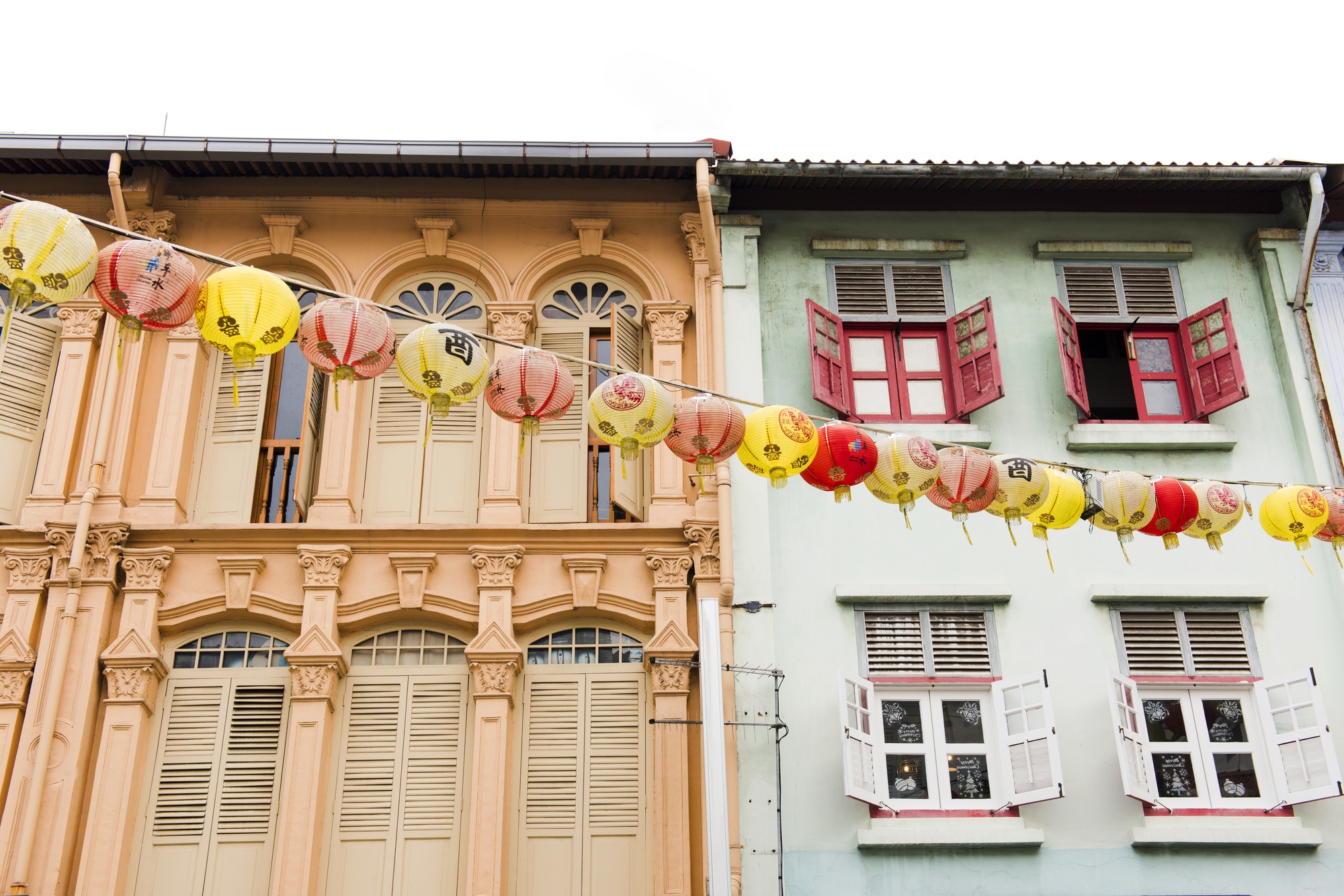
Chinese New Year 2027 falls on Saturday, 6 February, with public holidays in Singapore on 6–8 February. For out-of-home (OOH) advertising, the window that matters runs from mid-January, when festive shopping and the Chinatown light-up begin, to the end of the 15-day celebration. Brands should lock in their sites by early December, put DOOH at transit and retail hubs at the centre of the plan, and have creative ready about three weeks before the first day of the new year.
Below is a practical guide for brand marketers and media agencies planning a Chinese New Year (CNY) outdoor campaign in Singapore: the key dates, the formats that work, a booking timeline, and how to measure the results.
Last updated: November 2026
Key dates for Chinese New Year 2027 in Singapore
The Year of the Goat begins on Saturday, 6 February 2027. Singapore observes public holidays on Saturday 6, Sunday 7 and Monday 8 February (Office Holidays). Because the first day lands on a weekend, expect a long weekend of family visits, reunion dinners and travel.
The festive build-up starts well before that. In 2026, the Chinatown street light-up opened on 30 January, about two and a half weeks before CNY day, and stayed on until 18 March (Little Day Out). If 2027 follows a similar pattern, the light-up and festive bazaars will start around mid-January, which is also when shoppers start buying goodies, hampers, new clothes and red packets.
A simple way to frame the campaign:
- Build-up (about 3 weeks before CNY): shopping, gifting, reunion dinner bookings and travel planning.
- Peak (the eve to day 3): reunion dinners, visiting, and empty offices while people are on leave.
- Tail (to Chap Goh Mei, day 15): continued visiting, lo hei gatherings and back-to-work promotions.
Why OOH works for Chinese New Year in Singapore
CNY is a season people celebrate out of the house: at malls, markets, restaurants, relatives' homes and the airport. That makes outdoor media a natural fit, because it reaches people while they are actually out shopping and making decisions.
The numbers support it. Singapore's public transport carried an average of about 7.54 million rides a day in 2025, including roughly 3.49 million on the MRT and 3.84 million on buses (LTA). Changi Airport handled a record 69.98 million passengers in 2025 (TTG Asia), and the CNY long weekend is one of the times residents travel and visitors arrive.
Digital is also an important part of the mix. Statista estimates that Singapore's digital out-of-home (DOOH) ad spend was about US$136 million in 2025, and a Dentsu report found that nearly 40% of OOH revenue in 2024 came from digital formats (both cited by billups). For a short, high-intensity season like CNY, digital screens let you change messages from "pre-order your hampers" to "Gong Xi Fa Cai" as the weeks go by.
The best OOH formats for a CNY campaign
Transit and MRT media
Station screens, platform panels and train wraps reach commuters every day of the build-up. They work well for gifting, F&B, banking (red packets and new notes) and telco promotions that need weeks of repeated exposure.
Mall and retail DOOH
Screens in and around malls catch people when they are about to buy. This is the format to use for "buy now" messages: hamper deals, festive menus and beauty or fashion launches. Daypart your creative so that it matches lunchtime and evening shopping peaks.
Roadside and landmark billboards
Large-format sites along major roads and in the city centre build visibility and give the brand a sense of occasion. They suit brands that want to "own" the season, such as automotive, property, banks and premium F&B.
Airport media
Airport placements reach outbound families heading off for the long weekend and arriving visitors. Travel, duty-free, luxury and payment brands get the most from them.
Static vs digital: how to choose
Choose static for a single, fixed message that runs for the whole season on one high-impact site. Choose DOOH when you want several messages, need to change creative in the middle of the campaign, or plan to buy by time slot. Many CNY campaigns combine both: a static or landmark anchor for impact, with a DOOH network for frequency and timing.
Booking timeline: work backwards from 6 February
- Early November: set objectives, budget and audience; shortlist formats and locations.
- Mid-November to early December: request proposals and hold your preferred sites. Popular festive inventory goes first.
- December: confirm bookings; brief and produce the creative. Leave time for media-owner content approval and, for static sites, printing and installation.
- Early to mid-January: go live for the build-up phase.
- 6–8 February: switch DOOH creative to festive greetings and peak-day messaging.
- Mid to late February: run tail messaging and collect your campaign reports.
Creative tips for CNY outdoor ads
- Keep it short. Aim for seven words or fewer on roadside sites. People see a billboard for a few seconds.
- Use red and gold with care. Every brand uses them during CNY. Keep your own brand colours visible so that you stand out.
- Work with the Goat theme, but don't depend on it. Zodiac imagery is everywhere in January. A clear offer or an emotional reunion story usually stands out more.
- Be culturally careful. Get the greetings right (for example, 恭喜发财 and 新年快乐) and avoid unlucky numbers or symbols.
- Connect OOH to mobile. A QR code or short URL lets people act on the spot, and it gives you a way to track responses.
How to measure a CNY OOH campaign
Agree on the KPIs before you book. Common measures include:
- Delivery: confirm that ads ran as planned, with proof-of-play logs for DOOH and photo reports for static sites.
- Reach and impressions: audience estimates for each site, based on footfall or traffic data.
- Response: QR scans, promo-code redemptions, website visits and branded search in the areas around your sites.
- Sales lift: compare sales at stores near your campaign sites with a control area.
Firstboard's campaign tracking lets advertisers follow their campaign in one place.
Key takeaways
Chinese New Year 2027 lands on Saturday, 6 February, so Singapore's festive OOH window runs from mid-January to Chap Goh Mei. Hold transit, mall and roadside sites by early December, use DOOH to switch messages from shopping to greetings, keep creative short and culturally accurate, and agree on delivery and response KPIs before you book.
Frequently asked questions
When is Chinese New Year 2027 in Singapore?
When should I book billboards for Chinese New Year?
Is DOOH or a static billboard better for a CNY campaign?
How long should a CNY outdoor campaign run?
Can I run the same CNY campaign in other Southeast Asian countries?
Plan your Chinese New Year campaign with Firstboard
Firstboard makes it simple to plan OOH and DOOH in Singapore. Browse sites, build an e-proposal yourself in minutes and follow your campaign with built-in tracking. If you are planning the festive season in more than one market, SEA Network lets you book outdoor media across Southeast Asia in one place. For standout landmark placements, ask about Iconic Network.
Talk to Firstboard to start planning your Chinese New Year 2027 campaign.