LED Billboard Advertising Reach vs Actual Visibility
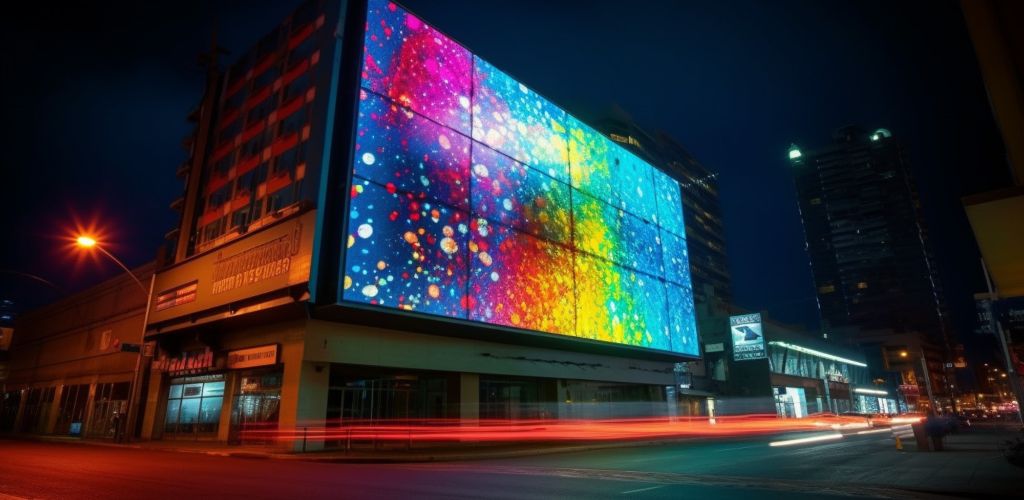
If you’ve ever looked at reports showing millions of “impressions” for a campaign and still felt unsure, you’re not alone. I’ve seen this happen many times in Thailand, especially with brands running their first LED billboard advertising campaign. On paper, the reach looks impressive. In reality, the impact can feel vague. This gap between reported reach and what people actually notice is where most confusion starts, and it’s exactly what we need to clear up.
What does reach really mean in LED billboard advertising?
- Reach is usually the first number media owners show. It sounds big. Sometimes too big.
- In simple terms, reach estimates how many people pass by a location where your ad is displayed. For LED billboard advertising, this is often calculated using traffic counts, vehicle flow, and pedestrian data. If 80,000 cars pass a road daily, the reach looks strong.
- But here’s the part that rarely gets explained clearly: reach does not mean attention.
- In my experience, many advertisers assume reach equals visibility. It doesn’t. Reach only tells you that someone could have seen the ad, not that they actually did.
What is actual visibility, and why it matters more
Actual visibility is about whether people notice, understand, and remember your message.
I’ve worked with digital billboard campaigns in Bangkok where the reach was high, but the creative failed to register because drivers had less than two seconds to process it. On another road with lower traffic, a simpler LED advertising sign performed far better.
Visibility depends on things reach reports don’t show, such as:
- Viewing angle and distance
- Speed of traffic
- Screen brightness during day and night
- Clutter from nearby digital advertising boards
- How complex the message is
This is why two digital billboard locations with similar reach numbers can deliver very different results.
Reach vs visibility: a real-world scenario
Let’s take a common Thailand example.
- A digital billboard installed on a busy expressway reports 500,000 weekly impressions. Sounds perfect. But the road is fast, drivers are focused, and the screen is slightly angled away. The message includes too much text.
- Now compare that with an LED advertising sign on a slower urban road near a traffic light. Fewer cars pass daily, maybe 180,000. But vehicles stop, pedestrians gather, and the message is clear in three words.
- In practice, the second option often generates more brand recall, even with lower reach.
- This is why smart advertisers look beyond numbers.
Why brands misunderstand LED billboard performance
Most misunderstandings come from how performance is presented.
Media kits focus heavily on exposure metrics because they’re easy to quantify. Visibility is harder to measure, so it’s often ignored or simplified.
I’ve noticed that newer brands, especially startups, tend to trust reach blindly. Established brands ask tougher questions. They want to know where eyes actually go, not just where cars pass. If your campaign gets impressions but no lift in searches, calls, or footfall, visibility is the missing piece.
Factors that directly affect actual visibility
Location behavior, not just location size
Not all busy roads behave the same.
A digital advertising board near a shopping mall entrance performs differently than one on a flyover. One encourages glances. The other demands full driving attention.
Always consider what people are doing when they pass the screen.
Creative clarity on LED advertising signs
LED screens are powerful, but they punish poor design.
I’ve seen beautiful designs fail because they tried to say too much. On an LED advertising sign, clarity wins every time.
Good visibility usually comes from:
- One clear message
- High contrast colors
- Large, readable fonts
- Minimal motion
If someone can’t understand your message in two seconds, visibility drops sharply.
Screen quality and maintenance
Not all digital billboards are equal. Brightness levels, pixel pitch, and maintenance matter more than most advertisers realize. A dim or partially malfunctioning LED billboard quietly kills visibility, even if reach stays the same.
Common mistakes that reduce visibility
This is where many campaigns quietly lose value.
- Choosing locations based only on reach numbers
- Using print-style designs on digital billboard (ป้าย โฆษณา led)
- Overloading the screen with offers, logos, and text
- Ignoring day vs night brightness differences
- Assuming all digital advertising boards perform the same
I’ve seen brands repeat these mistakes because no one explains the difference early enough.
How to align reach and visibility for better results
The goal isn’t to ignore reach. It’s to balance it.
Start by asking better questions before booking:
- How long do people typically view this screen?
- Is traffic slow, stopped, or fast-moving?
- Are there competing LED advertising signs (ป้าย โฆษณา จอ led) nearby?
- Can my message be understood instantly?
When reach and visibility work together, campaigns feel effective instead of confusing.
How to measure success beyond impressions
If impressions were enough, every campaign would work. They don’t.
Here are practical ways to evaluate real performance:
Brand search movement
After launching LED billboard advertising, watch branded search volume. Even small increases signal visibility.
Direct response signals
For location-based campaigns in Thailand, I often track:
- Store walk-ins
- Call volume during display hours
- QR scans or short URLs
These don’t need to explode to be useful. Trends matter more than spikes.
Creative recall checks
Ask simple questions internally or with customers:
“Have you seen our new outdoor ad recently?”
When people describe the message accurately, visibility is working.
When LED billboard advertising makes the most sense
LED billboard advertising shines when:
- The message is simple
- The brand is already somewhat known
- The location matches audience behavior
- The goal is awareness or reinforcement
It struggles when advertisers expect instant conversion without support from other channels.
Understanding this upfront saves frustration and budget.
Why choose us
We don’t start with reach numbers. We start with how people move, stop, and look in real locations across Thailand. That perspective comes from years of seeing what actually works on digital billboard (ป้าย โฆษณา led) not just what looks good in a proposal. Our focus is helping brands get seen, not just counted. Let's connect.
Questions Answers
Does high reach guarantee good results for LED billboards?
No. High reach only means people pass by the screen. Results depend on visibility, message clarity, and location behavior. I’ve seen lower-reach locations outperform bigger roads when the viewing conditions are better.
How long should a message stay on a digital billboard?
Most effective messages are understood in two seconds or less. That usually means very short text, strong visuals, and no unnecessary details competing for attention.
Are LED advertising signs better than static billboards?
They can be, but only when used correctly. Motion and brightness help, but poor creative or bad placement can make them less effective than a well-placed static billboard.
How can I improve visibility without changing location?
Simplify the message, improve contrast, adjust brightness settings, and reduce animation speed. Small creative changes often improve visibility more than moving to a higher-reach location.