Baliho vs Billboard in Indonesia: Sizes, Permits, Costs
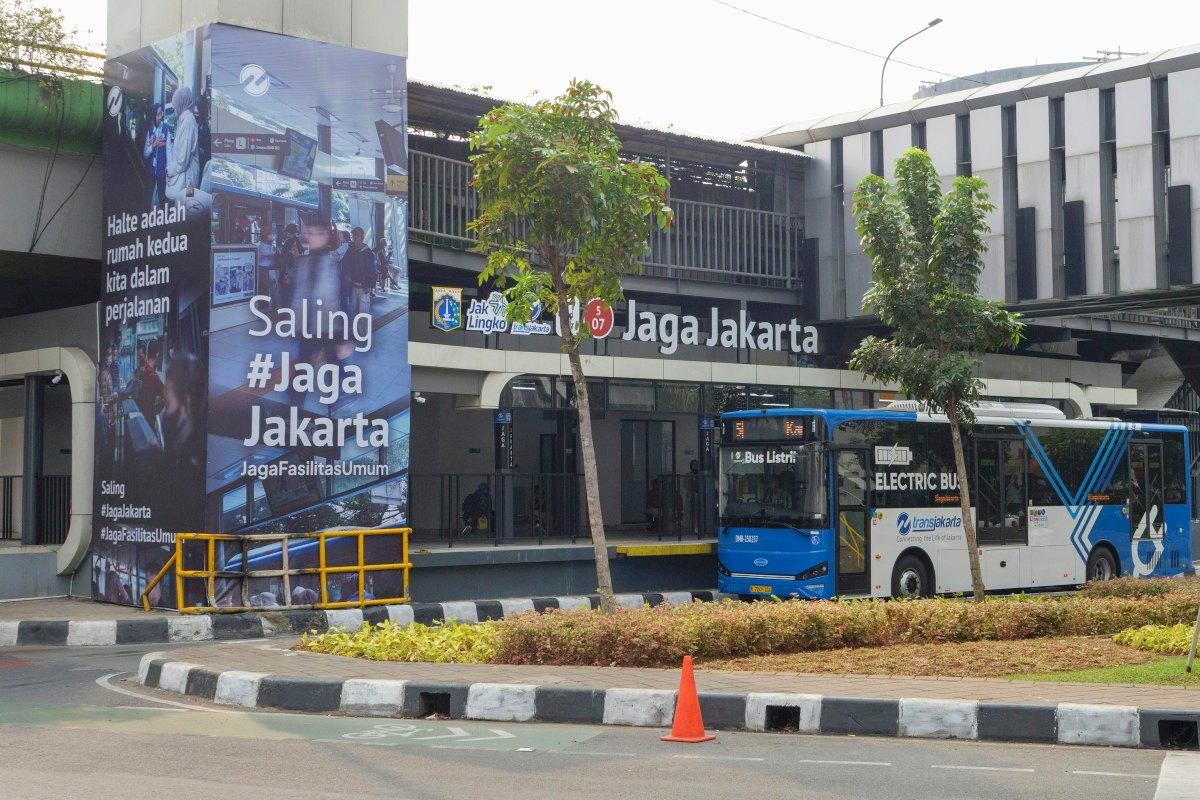
In Indonesia, a baliho is a temporary large-format sign, usually a printed flex banner stretched over a timber or bamboo frame, while a billboard is a permanent steel structure that needs a full advertising permit. That makes a baliho the cheaper, faster option for events and short promotions, and a billboard (static or digital "videotron") the choice for multi-month brand campaigns on major roads.
Below: the real differences, other street formats you will be offered, Jakarta permits and the 25% advertising tax, and official 2026 Jakarta rates (as of November 2026).
Baliho vs billboard in Indonesia at a glance
| Baliho | Billboard (static / videotron) | |
|---|---|---|
| Structure | Temporary or semi-permanent; timber, bamboo or light steel frame | Permanent steel pole and frame on a concrete footing |
| Display | Printed flex/vinyl, replaced each campaign | Front- or back-lit flex, or LED screen (videotron) |
| Typical size | No fixed standard; e.g. a 6 m x 4 m Firstboard baliho in Gianyar, Bali; election-campaign baliho capped at 4 m x 7 m | Usually larger; e.g. 10 m x 5 m static (Jl. Daan Mogot), 12 m x 6 m videotron (Jl. MH Thamrin); large formats up to 20 m x 10 m |
| Where you find it | Junctions, secondary-city roadsides, event sites | Arterial roads, toll roads, flyovers, pedestrian bridges, CBDs |
| Typical run | Days to a few months | Months to years |
| Cost | Lower production and site cost | Higher; premium Jakarta sites run to hundreds of millions of rupiah |
Sizes come from live Firstboard listings; the campaign cap is from the election commission's PKPU 33/2018, Article 32, as summarised by IDN Times (2024 campaign rules now sit under PKPU 15/2023). Indonesian business publisher majoo.id likewise defines the difference as whether the structure is permanent, and cites billboard sizes up to 20 m x 10 m.
One nuance for planners: Jakarta's regulations do not single out "baliho". Both sit under reklame papan/billboard – signs made of metal, wood board or vinyl mounted on an advertising structure (Jakarta Governor Regulation 100/2021). So "temporary" describes the build, not a lighter legal category.
What is a baliho, and what are the other street ad formats called?
Here is the vocabulary your Indonesian media partner will use:
- Baliho – large temporary sign for events, seasonal promotions and political campaigns.
- Static billboard – permanent steel structure with front-lit or back-lit flex.
- Bando – a billboard spanning the road like a gantry.
- JPO billboard – mounted on a pedestrian bridge (jembatan penyeberangan orang); e.g. a 2 m x 15 m panel on Jl. Prof Dr Satrio.
- Flyover (FO) billboard – on or facing an elevated road.
- Neon box – small illuminated box on shopfronts; Jakarta groups it with billboards and neon signs.
- Spanduk and umbul-umbul – cheap, short-lived cloth banners and vertical flags. Election rules cap spanduk at 1.5 m x 7 m and umbul-umbul at 1.15 m x 5 m.
- Lamp pole and pillar – vertical panels on street lights or pillars for repeated exposure along a corridor.
Videotron: the digital billboard in Indonesia
Digital roadside screens are called videotron. Jakarta's regulation names them Megatron/Videotron/Large Electronic Display – digital signs using a large monitor – grouped with LED and running-text signs (Pergub 100/2021). Variants include robotic/3D LED screens and slim LED pillars and totems. For a fuller format list, see 8 types of outdoor advertising.
Permits and advertising tax for baliho and billboards
A common assumption is that a temporary baliho does not need a permit. In Jakarta, every commercial sign needs an Izin Penyelenggaraan Reklame (IPR), an advertising permit covering the artwork, type, location, validity period and size. Under Governor Regulation 148/2017 as amended by Regulation 100/2021:
- The city is zoned into strict, medium and low control areas. In strict-control areas, the number, shape and size of signs are capped, and placement is mainly limited to building walls and rooftops.
- Processing a new IPR can take up to 90 working days, and a renewal up to 30 working days (Article 50), so new billboard sites in Jakarta need months of lead time.
- Permanent structures also need a building permit for the advertising construction.
On tax, Jakarta Bylaw 1/2024 sets advertising tax (pajak reklame) at 25% of the advertising rental value, due from the moment the sign is installed or goes live (Kumparan, 3 April 2025). Other cities set their own bylaws. Our guide to billboard ad regulations in Indonesia covers the wider process.
How much more does a billboard cost than a baliho?
Rates depend on site, size and duration. The most transparent public benchmark is the Jakarta government's minimum bid values for city-owned advertising sites (as of November 2026):
| Format | Location | Size | Minimum rental value | Period | Source |
|---|---|---|---|---|---|
| Back-lit JPO billboard | Jl. Yos Sudarso (Pasar Ular), North Jakarta | 10 m x 1.5 m | IDR 805,920,000 | Not stated | Jakarta BPAD, 4 Jun 2026 |
| Back-lit flyover billboard | Mitra Sunter Boulevard, North Jakarta | 2 m x 10 m | IDR 767,960,000 | Not stated | Jakarta BPAD, 4 Jun 2026 |
| Videotron street furniture | Taman Saharjo, Jl. Raya Casablanca | 1.6 m x 0.8 m (4 units) | IDR 149,504,000 | Not stated | Jakarta BPAD, 4 Jun 2026 |
Source: Jakarta Regional Asset Management Agency (BPAD), Advertising Site Rental Partner Selection 2026. These are floor prices for government-owned sites, excluding production and the 25% tax, not private media-owner rate cards. For city-by-city billboard ranges, see the cost of billboard advertising in Indonesia.
When to choose a baliho and when to choose a billboard
- Baliho: events, store openings, seasonal promotions, or covering secondary cities on a tight budget when you need many sites quickly.
- Static billboard: 3–12 month brand campaigns on arterial roads or toll roads, where scale and consistency matter more than flexibility.
- Videotron: frequent creative changes, motion, or a presence in premium districts such as Thamrin and SCBD through shared slots.
- Mix: anchor billboards in Jakarta, then add baliho in supporting cities for frequency.
FAQ: baliho and billboards in Indonesia
What is the difference between a baliho and a billboard?
A baliho is a temporary sign on a timber or bamboo frame with a printed banner; a billboard sits on a permanent steel structure. Billboards are generally larger, cost more and are booked for longer.
What does baliho mean in English?
There is no exact English term; it is closest to a large temporary billboard or hoarding. Indonesians also use it loosely for any big roadside sign, so confirm the structure type when you get a quote.
Does a baliho need a permit in Indonesia?
Yes. Commercial baliho need a local advertising permit and are subject to advertising tax; in Jakarta the tax is 25% of the rental value.
What is a videotron?
Videotron is the Indonesian term for a large digital LED billboard. Jakarta's regulation also calls it a megatron or large electronic display.
How big is a standard baliho?
There is no fixed standard; 4 m x 6 m vertical is common. For election campaigns, the KPU caps baliho at 4 m x 7 m.
Indonesia billboard and baliho locations to check rates for
Compare the formats above on real sites:
- 1 Panel Vertical Baliho Billboard at Jl. Prof. Dr. Ida Bagus Mantra, Gianyar, Bali (Lampu Merah Tulikup)
- 1 Panel Vertical Static Billboard at Jl. Daan Mogot Raya, Jakarta Barat, DKI Jakarta
- 1 Sided JPO Billboard at Jl. Prof Dr Satrio, Jakarta Selatan, DKI Jakarta (To Jl. Jend Sudirman)
- 1 Panel Vertical Videotron Billboard at Jl. MH. Thamrin No. 81, Jakarta Pusat, DKI Jakarta (B)
- 10 Panel Lamp Pole Billboard at Jl Asia Afrika, Jakarta Pusat, DKI Jakarta
Browse every site on Firstboard search or contact our team.
Plan your baliho or billboard campaign with Firstboard
The Firstboard Indonesia team can match baliho, billboard or videotron formats to your budget, check site availability and handle permits. Build your own e-proposal and track the campaign online, or request a quote. Running across several markets? SEA Network lets you plan Indonesia, Singapore, the Philippines, Thailand and Vietnam in one media plan.